Bills · HR 8347
REPORTED· 119TH CONGRESS
House BillHR 8347Rural conditions and developmentHealth personnel
RURAL Healthcare Act
This bill defines traveling medical professionals as independent contractors rather than employees, making it easier for rural hospitals to hire temporary staff while removing certain federal labor protections for those workers.AI-written
INTRO APR 16· LAST ACTION JUL 21
PASSAGE CHANCESUNCERTAIN
15%
READING
2MIN
COSPONSORS
1
READER REACTIONS0 TOTAL
NO VOTES YET · BE THE FIRST
- Introduced only
tl;dr
AI-writtenClassifies traveling doctors and nurses as independent contractors for up to one year, exempting hospitals from paying them overtime or allowing them to join unions in exchange for easier staffing at rural clinics.
LEGISLATIVE PROGRESS
STEP 3 / 8Introduced
In Committee
Reported
Passed House
Passed Senate
Conference
To President
Became Law
WHAT THE BILL DOES
AI-writtenRural hospitals often struggle to find enough doctors and nurses to stay open. To fix this, they hire 'traveling' medical professionals to fill in for a few months at a time. Currently, there is sometimes legal confusion over whether these workers should be treated as full employees or independent freelancers. If they are treated as employees, it costs the hospital much more money and involves more paperwork.
If this bill becomes law, it simplifies the hiring process for these hospitals, potentially helping them stay staffed and operational. However, it also means these medical professionals won't have federal protections for things like overtime pay or the right to organize a union at that facility. For voters, the trade-off is between making it easier for local clinics to stay open versus maintaining labor protections for the people providing the care.
KEY PROVISIONS
4AI-extractedPROVISION 01
Classifies temporary medical professionals as independent contractors under the Fair Labor Standards Act.
This exempts hospitals from paying these workers overtime or adhering to federal minimum wage requirements for them.
PROVISION 02
Classifies temporary medical professionals as independent contractors under the National Labor Relations Act.
This prevents these temporary workers from being part of a union or engaging in collective bargaining at the facility where they are working.
PROVISION 03
Sets a one-year limit for the 'independent contractor' status at any single site.
This prevents hospitals from using 'temporary' status indefinitely to avoid hiring permanent employees with full benefits.
PROVISION 04
Requires a written contract to establish contractor status.
It ensures both the worker and the hospital have clear, documented agreement on the nature of the working relationship.
SPONSORSHIP
1 + 1
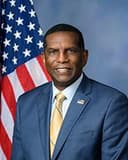
R· Utah
YRS IN OFFICE
5
BILLS LED
28
COSPONSOR BREAKDOWNBIPARTISAN · 0%
DEM 0 REP 1 IND 0
ACTION TIMELINE
6 EVENTSJUL 21
Committee Consideration and Mark-up Session Held
JUL 21
Ordered to be Reported (Amended) by the Yeas and Nays: 18 - 15.
APR 16
Introduced in House
APR 16
Referred to the House Committee on Education and Workforce.
BILL INFO
TypeHouse Bill
NumberHR 8347
Congress119th
StatusReported
IntroducedApr 16, 2026
Last actionJul 21, 2026
READER REACTIONS
OVERALL SENTIMENT
No reactions yet. Be the first to weigh in.
Discussion
Loading comments...
REPORTED· 119TH CONGRESS · EDUCATION AND WORKFORCE COMMITTEE · INTRODUCED APR 16, 2026
House BillHR 8347Rural conditions and developmentHealth personnel
RURAL Healthcare Act
This bill defines traveling medical professionals as independent contractors rather than employees, making it easier for rural hospitals to hire temporary staff while removing certain federal labor protections for those workers.AI-written
INTRODUCED APR 16, 2026· LAST ACTION JUL 21, 2026
PASSAGE CHANCES
15%
READING
2 min
COSPONSORS
1
COMPLEXITY
Simple