Bills · HR 829
IN COMMITTEE· 119TH CONGRESS
House BillHR 829Presidents and presidential powers, Vice PresidentsOffice of Management and Budget (OMB)
Fighting Budget Waste Act
INTRO JAN 31· LAST ACTION JAN 31
READING
2MIN
COSPONSORS
9BIPARTISAN
READER REACTIONS0 TOTAL
NO VOTES YET · BE THE FIRST
- Introduced only
LEGISLATIVE PROGRESS
STEP 2 / 8Introduced
In Committee
Reported
Passed House
Passed Senate
Conference
To President
Became Law
WHAT THE BILL DOES
AI-writtenVoters should care about this bill because it aims to make the federal government more accountable for how it spends taxpayer money. Every year, a non-partisan government watchdog (the GAO) identifies billions of dollars in potential savings by pointing out programs that are fragmented, overlap, or duplicate each other. Currently, the President is not formally required to consider these findings when drafting the budget.
If this bill becomes law, it would create a formal step in the budget process where the administration must acknowledge and report on these potential areas of waste. While it doesn't force them to cut anything, it brings transparency and ensures that these issues are explicitly on the table. If it doesn't become law, the consideration of these waste-reducing recommendations remains optional, and there's no formal mechanism to report on whether they were even looked at.
KEY PROVISIONS
3AI-extractedPROVISION 01
Requires the President and the Director of the Office of Management and Budget (OMB) to consider a specific Government Accountability Office (GAO) report when preparing the annual federal budget.
This makes the consideration of potential government waste and inefficiency a formal step in the budget creation process.
PROVISION 02
Mandates that the OMB Director submit a report to Congress detailing the office's findings regarding the GAO's recommendations, on the same day the President's budget is submitted.
This adds transparency and accountability, ensuring Congress and the public know how the administration is addressing identified areas of waste.
PROVISION 03
Specifically references the GAO report titled 'Additional Opportunities to Reduce Fragmentation, Overlap, and Duplication and Achieve Billions of Dollars in Financial Benefits' or any successor report.
This focuses the requirement on a well-known, ongoing report that directly addresses government efficiency and potential cost savings.
SPONSORSHIP
1 + 9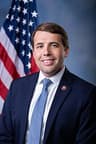
D· New Hampshire
YRS IN OFFICE
7
BILLS LED
59
COSPONSOR BREAKDOWNBIPARTISAN · 88%
DEM 4 REP 5 IND 0
ACTION TIMELINE
2 EVENTSJAN 31
Introduced in House
JAN 31
Referred to the House Committee on the Budget.
BILL INFO
TypeHouse Bill
NumberHR 829
Congress119th
StatusIn Committee
IntroducedJan 31, 2025
Last actionJan 31, 2025
READER REACTIONS
OVERALL SENTIMENT
No reactions yet. Be the first to weigh in.
Discussion
Loading comments...
IN COMMITTEE· 119TH CONGRESS · BUDGET COMMITTEE · INTRODUCED JAN 31, 2025
House BillHR 829Presidents and presidential powers, Vice PresidentsOffice of Management and Budget (OMB)
Fighting Budget Waste Act
INTRODUCED JAN 31, 2025· LAST ACTION JAN 31, 2025
PASSAGE CHANCES
—%
READING
2 min
COSPONSORS
9
COMPLEXITY
Moderate