Bills · HR 8259
IN COMMITTEE· 119TH CONGRESS
House BillHR 8259Biological and life sciencesEndangered and threatened species
Federal Water Projects Consultation Improvement Act of 2026
This bill requires federal agencies to consult with local water boards and provide scientific justification before reducing water deliveries for environmental protection in 17 Western states.AI-written
INTRO APR 14· LAST ACTION APR 29
READING
6MIN
COSPONSORS
1
READER REACTIONS0 TOTAL
NO VOTES YET · BE THE FIRST
- Introduced only
tl;dr
AI-writtenGives local water districts and irrigation groups a mandatory seat at the table when federal agencies decide to cut water supplies to protect endangered species in the Western U.S.
LEGISLATIVE PROGRESS
STEP 2 / 8Introduced
In Committee
Reported
Passed House
Passed Senate
Conference
To President
Became Law
WHAT THE BILL DOES
AI-writtenWater is the most precious resource in the American West, and there is often a conflict between providing water for farms and cities versus leaving water in rivers for endangered species. This bill matters because it shifts more influence to local water users. If passed, it could make it harder for the federal government to reduce water deliveries for environmental reasons without first proving that no less-damaging options exist. For a farmer, this could be the difference between having enough water for a harvest or facing a dry season; for an environmentalist, it might look like an attempt to prioritize industry over preventing the extinction of a species.
KEY PROVISIONS
4AI-extractedPROVISION 01
Mandatory inclusion of local water contractors in the development of biological assessments.
It ensures that local experts who actually manage the water have a legal right to provide data and feedback before the government reaches a conclusion.
PROVISION 02
Requirement to justify water reductions with legal authority and scientific data.
Agencies must now explain why they aren't choosing alternatives that would have less impact on the economy and water supply.
PROVISION 03
Right to review and comment on draft biological opinions.
This gives local groups a chance to see and challenge the government's findings before they become final and legally binding.
PROVISION 04
Defining 'engagement' as direct, in-person communication.
This prevents agencies from simply checking a box with an email and requires meaningful, face-to-face cooperation with local entities.
SPONSORSHIP
1 + 1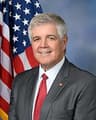
R· Oregon
YRS IN OFFICE
5
BILLS LED
15
COSPONSOR BREAKDOWNBIPARTISAN · 0%
DEM 0 REP 1 IND 0
ACTION TIMELINE
6 EVENTSAPR 29
Subcommittee Hearings Held
APR 22
Referred to the Subcommittee on Water, Wildlife and Fisheries.
APR 22
Referred to the Subcommittee on Water, Wildlife and Fisheries.
APR 14
Introduced in House
BILL INFO
TypeHouse Bill
NumberHR 8259
Congress119th
StatusIn Committee
IntroducedApr 14, 2026
Last actionApr 29, 2026
READER REACTIONS
OVERALL SENTIMENT
No reactions yet. Be the first to weigh in.
Discussion
Loading comments...
IN COMMITTEE· 119TH CONGRESS · NATURAL RESOURCES COMMITTEE · INTRODUCED APR 14, 2026
House BillHR 8259Biological and life sciencesEndangered and threatened species
Federal Water Projects Consultation Improvement Act of 2026
This bill requires federal agencies to consult with local water boards and provide scientific justification before reducing water deliveries for environmental protection in 17 Western states.AI-written
INTRODUCED APR 14, 2026· LAST ACTION APR 29, 2026
PASSAGE CHANCES
—%
READING
6 min
COSPONSORS
1
COMPLEXITY
Moderate