Bills · HR 8246
IN COMMITTEE· 119TH CONGRESS
House BillHR 8246Agriculture and Food
OHH SNAP Act of 2026
This bill expands SNAP food assistance to low-income college students by using financial aid data to determine eligibility and allowing school attendance to count as work.AI-written
INTRO APR 9· LAST ACTION APR 9
READING
2MIN
COSPONSORS
20
READER REACTIONS0 TOTAL
NO VOTES YET · BE THE FIRST
- Introduced only
tl;dr
AI-writtenAllows college students with the highest financial need or vulnerable backgrounds to qualify for food stamps and counts their time in class toward federal work requirements.
LEGISLATIVE PROGRESS
STEP 2 / 8Introduced
In Committee
Reported
Passed House
Passed Senate
Conference
To President
Became Law
WHAT THE BILL DOES
AI-writtenFood insecurity is a significant problem on American campuses, often forcing students to choose between buying textbooks or buying food. Under current rules, many students are stuck in a 'catch-22' where they are too poor to afford food but aren't allowed to get help because they are enrolled in school rather than working a traditional 20-hour-a-week job.
If this bill becomes law, it would remove major bureaucratic hurdles for the neediest students. By counting class time as work and using existing financial aid data (like the Student Aid Index) to prove eligibility, the bill attempts to ensure that students can focus on graduating rather than where their next meal is coming from. If it doesn't pass, many students will continue to rely on campus food pantries or go hungry, which often leads to lower grades and higher dropout rates.
KEY PROVISIONS
4AI-extractedPROVISION 01
Grants SNAP eligibility to students with a Student Aid Index (SAI) of $0 or less.
This uses existing financial aid data to automatically identify the students with the most urgent financial need.
PROVISION 02
Allows 'independent students'—including veterans and those who were in foster care—to qualify for benefits.
It protects particularly vulnerable groups who may lack a family safety net to help with food costs.
PROVISION 03
Counts time spent attending classes toward the monthly work requirement.
This recognizes that education is a full-time commitment and prevents students from being forced to choose between school and a job just to eat.
PROVISION 04
Amends how educational loans are treated in eligibility calculations.
It ensures that student debt or temporary aid doesn't disqualify someone from receiving basic food assistance.
SPONSORSHIP
1 + 20
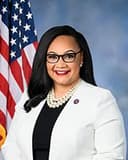
D· Georgia
YRS IN OFFICE
5
BILLS LED
58
COSPONSOR BREAKDOWNBIPARTISAN · 0%
DEM 20 REP 0 IND 0
ACTION TIMELINE
2 EVENTSAPR 9
Introduced in House
APR 9
Referred to the House Committee on Agriculture.
BILL INFO
TypeHouse Bill
NumberHR 8246
Congress119th
StatusIn Committee
IntroducedApr 9, 2026
Last actionApr 9, 2026
READER REACTIONS
OVERALL SENTIMENT
No reactions yet. Be the first to weigh in.
Discussion
Loading comments...
IN COMMITTEE· 119TH CONGRESS · AGRICULTURE COMMITTEE · INTRODUCED APR 9, 2026
House BillHR 8246Agriculture and Food
OHH SNAP Act of 2026
This bill expands SNAP food assistance to low-income college students by using financial aid data to determine eligibility and allowing school attendance to count as work.AI-written
INTRODUCED APR 9, 2026· LAST ACTION APR 9, 2026
PASSAGE CHANCES
—%
READING
2 min
COSPONSORS
20
COMPLEXITY
Moderate