Bills · HR 8220
IN COMMITTEE· 119TH CONGRESS
House BillHR 8220International Affairs
NOPE Act
This bill nullifies a Treasury Department license that allowed the sale of certain Iranian oil products and bans the U.S. government from authorizing similar oil trades in the future.AI-written
INTRO APR 9· LAST ACTION APR 9
READING
6MIN
COSPONSORS
0
READER REACTIONS0 TOTAL
NO VOTES YET · BE THE FIRST
- Introduced only
tl;dr
AI-writtenCancels a specific U.S. permit allowing the sale of Iranian oil and imposes mandatory sanctions on Iran's entire energy industry to block the country's primary source of revenue.
LEGISLATIVE PROGRESS
STEP 2 / 8Introduced
In Committee
Reported
Passed House
Passed Senate
Conference
To President
Became Law
WHAT THE BILL DOES
AI-writtenThis bill matters because it represents a "maximum pressure" approach to foreign policy, aiming to dry up Iran's primary source of wealth: oil. For the average person, the most direct impact is often felt at the gas pump; when major oil producers are sanctioned, global oil supplies tighten, which can lead to higher gasoline prices in the U.S. and abroad.
Beyond economics, the bill is a significant move in international relations. If it becomes law, it limits the President's ability to use oil trade as a bargaining chip in future negotiations with Iran. Supporters see this as a necessary step to stop funding a hostile government, while others may worry that removing flexibility in sanctions makes it harder to reach diplomatic deals or could lead to increased tensions in the Middle East.
KEY PROVISIONS
5AI-extractedPROVISION 01
Nullifies 'General License U' issued by the Treasury Department.
It immediately halts the legal sale of Iranian oil that was previously authorized to be sold if loaded by March 2026.
PROVISION 02
Bans the Secretary of the Treasury from issuing any future licenses for Iranian oil transactions.
It prevents the executive branch from loosening oil-related sanctions without further action from Congress.
PROVISION 03
Mandates asset blocking and visa bans for Iranians in the oil, gas, and maritime sectors.
It targets the specific individuals and companies that keep Iran's energy economy running.
PROVISION 04
Requires bi-monthly reports on the Strait of Hormuz and Iranian oil revenue for three years.
It ensures Congress stays informed about how much money Iran is making and how global shipping routes are being affected.
PROVISION 05
Includes exceptions for humanitarian aid, food, and medicine.
It attempts to minimize the impact of the sanctions on the general Iranian population and international aid efforts.
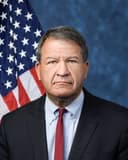
SPONSORSHIP
1 + 0
D· New York
YRS IN OFFICE
1
BILLS LED
10
ACTION TIMELINE
2 EVENTSAPR 9
Introduced in House
APR 9
Referred to the Committee on Foreign Affairs, and in addition to the Committee on the Judiciary, for a period to be subsequently determined by the Speaker, in each case for consideration of such provisions as fall within the jurisdiction of the committee concerned.
BILL INFO
TypeHouse Bill
NumberHR 8220
Congress119th
StatusIn Committee
IntroducedApr 9, 2026
Last actionApr 9, 2026
READER REACTIONS
OVERALL SENTIMENT
No reactions yet. Be the first to weigh in.
Discussion
Loading comments...
IN COMMITTEE· 119TH CONGRESS · JUDICIARY COMMITTEE · INTRODUCED APR 9, 2026
House BillHR 8220International Affairs
NOPE Act
This bill nullifies a Treasury Department license that allowed the sale of certain Iranian oil products and bans the U.S. government from authorizing similar oil trades in the future.AI-written
INTRODUCED APR 9, 2026· LAST ACTION APR 9, 2026
PASSAGE CHANCES
—%
READING
6 min
COSPONSORS
0
COMPLEXITY
Moderate