Bills · HR 8183
REPORTED· 119TH CONGRESS
House BillHR 8183Employment and training programsIntergovernmental relations
MATCH Act of 2026
This bill creates a system for states to develop digital platforms that match jobseekers with employers using verified records of their skills and education.AI-written
INTRO APR 2· LAST ACTION JUL 21
PASSAGE CHANCESUNCERTAIN
15%
READING
10MIN
COSPONSORS
3BIPARTISAN
READER REACTIONS0 TOTAL
NO VOTES YET · BE THE FIRST
- Introduced only
tl;dr
AI-writtenEstablishes a federal framework for states to build AI-powered 'talent marketplaces' and verified digital skill records, allowing workers to own their professional data and match more accurately with employers.
LEGISLATIVE PROGRESS
STEP 3 / 8Introduced
In Committee
Reported
Passed House
Passed Senate
Conference
To President
Became Law
WHAT THE BILL DOES
AI-writtenCurrently, the job market often suffers from a 'skills gap' where employers can't find workers with the right training, and workers struggle to prove their expertise using traditional resumes. This bill tries to solve that by standardizing how we describe skills and credentials. By moving toward verified digital records, it reduces the risk of credential fraud and makes it easier for people to transition between different types of jobs or education programs.
If this becomes law, it could lead to a more efficient labor market where people are hired based on what they can actually do rather than just where they went to school. It also shifts more control of career data to the individual worker. Without it, the current system of fragmented job boards and hard-to-verify resumes will likely continue to make hiring slower and more expensive for everyone.
KEY PROVISIONS
4AI-extractedPROVISION 01
Creates a definition and framework for 'talent marketplaces' that use AI and open standards to match workers with jobs.
This provides a legal blueprint for states to build modern, interconnected job-matching platforms.
PROVISION 02
Establishes 'learning and employment records' (LERs) as digital, machine-readable histories of a person's education and work, verified by third parties.
It moves career tracking away from paper resumes and gives individuals ownership over their own verified professional data.
PROVISION 03
Requires the use of 'standardized terminology' to describe skills, competencies, and learning outcomes across all platforms.
This ensures that a 'skill' listed by a college matches the 'skill' requested in a job posting, reducing confusion.
PROVISION 04
Directs 5% to 10% of specific workforce funds toward 'Workforce Data Quality Initiative' grants for states.
It provides the necessary funding for states to actually build the technology required by the bill.
SPONSORSHIP
1 + 3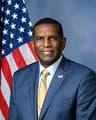
R· Utah
YRS IN OFFICE
5
BILLS LED
28
COSPONSOR BREAKDOWNBIPARTISAN · 66%
DEM 1 REP 2 IND 0
ACTION TIMELINE
6 EVENTSJUL 21
Committee Consideration and Mark-up Session Held
JUL 21
Ordered to be Reported (Amended) by the Yeas and Nays: 33 - 0.
APR 2
Introduced in House
APR 2
Referred to the House Committee on Education and Workforce.
BILL INFO
TypeHouse Bill
NumberHR 8183
Congress119th
StatusReported
IntroducedApr 2, 2026
Last actionJul 21, 2026
READER REACTIONS
OVERALL SENTIMENT
No reactions yet. Be the first to weigh in.
Discussion
Loading comments...
REPORTED· 119TH CONGRESS · EDUCATION AND WORKFORCE COMMITTEE · INTRODUCED APR 2, 2026
House BillHR 8183Employment and training programsIntergovernmental relations
MATCH Act of 2026
This bill creates a system for states to develop digital platforms that match jobseekers with employers using verified records of their skills and education.AI-written
INTRODUCED APR 2, 2026· LAST ACTION JUL 21, 2026
PASSAGE CHANCES
15%
READING
10 min
COSPONSORS
3
COMPLEXITY
Moderate