Bills · HR 8065
REPORTED· 119TH CONGRESS
House BillHR 8065Presidents and presidential powers, Vice PresidentsGovernment employee pay, benefits, personnel management
Restoring Executive Branch Authorities to Oversee Offices of the United States Attorneys Act of 2026
INTRO MAR 24· LAST ACTION MAR 26
READING
1MIN
COSPONSORS
0
READER REACTIONS0 TOTAL
NO VOTES YET · BE THE FIRST
- Reported, not passed
LEGISLATIVE PROGRESS
STEP 3 / 8Introduced
In Committee
Reported
Passed House
Passed Senate
Conference
To President
Became Law
WHAT THE BILL DOES
AI-writtenThis bill matters because it changes the balance of power between the executive branch (the President) and the judicial branch (federal courts) regarding who controls federal prosecutions across the country. Currently, courts can step in to fill a leadership void in U.S. Attorney offices if the President is slow to nominate a permanent prosecutor. If this bill becomes law, that safety net is removed.
Voters should care because U.S. Attorneys are powerful figures who decide which federal crimes are prosecuted in their districts. Giving the President sole control over even temporary appointments, without any judicial fallback, could mean that some districts might have prolonged vacancies, or that political considerations from the executive branch play a larger role in who leads these offices. This impacts how justice is administered and who is held accountable under federal law.
KEY PROVISIONS
3AI-extractedPROVISION 01
Eliminates the power of federal district courts to temporarily appoint United States Attorneys when a vacancy occurs and the President has not nominated a replacement within 120 days.
This centralizes the power of temporary appointments for federal prosecutors solely within the Executive Branch.
PROVISION 02
Restores the executive branch's exclusive control over temporary appointments of United States Attorneys, as indicated by the bill's title.
This ensures that all appointments to these critical law enforcement roles, even temporary ones, fall under the purview of the President's administration.
PROVISION 03
Amends a specific part of the law (Section 546(c)(2) of Title 28, United States Code) to clarify the wording regarding the duration a United States Attorney may serve after appointment by the Attorney General.
This is a technical language change that ensures consistency and clarity in the statutory text regarding temporary service terms.
SPONSORSHIP
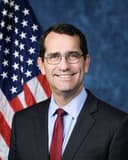
1 + 0
R· Kansas
YRS IN OFFICE
1
BILLS LED
17
ACTION TIMELINE
4 EVENTSMAR 26
Committee Consideration and Mark-up Session Held
MAR 26
Ordered to be Reported (Amended) by the Yeas and Nays: 12 - 11.
MAR 24
Introduced in House
MAR 24
Referred to the House Committee on the Judiciary.
BILL INFO
TypeHouse Bill
NumberHR 8065
Congress119th
StatusReported
IntroducedMar 24, 2026
Last actionMar 26, 2026
READER REACTIONS
OVERALL SENTIMENT
No reactions yet. Be the first to weigh in.
Discussion
Loading comments...
REPORTED· 119TH CONGRESS · JUDICIARY COMMITTEE · INTRODUCED MAR 24, 2026
House BillHR 8065Presidents and presidential powers, Vice PresidentsGovernment employee pay, benefits, personnel management
Restoring Executive Branch Authorities to Oversee Offices of the United States Attorneys Act of 2026
INTRODUCED MAR 24, 2026· LAST ACTION MAR 26, 2026
PASSAGE CHANCES
—%
READING
1 min
COSPONSORS
0
COMPLEXITY
Moderate