Bills · HR 8031
IN COMMITTEE· 119TH CONGRESS
House BillHR 8031Science, Technology, Communications
GUARDRAILS Act
INTRO MAR 20· LAST ACTION MAR 20
READING
1MIN
COSPONSORS
35
READER REACTIONS0 TOTAL
NO VOTES YET · BE THE FIRST
- Introduced only
LEGISLATIVE PROGRESS
STEP 2 / 8Introduced
In Committee
Reported
Passed House
Passed Senate
Conference
To President
Became Law
WHAT THE BILL DOES
AI-writtenVoters should care about this bill because it represents a significant push by Congress to assert its authority over artificial intelligence policy, rather than leaving it to the executive branch. If this bill passes, it would completely undo the President's chosen framework for managing AI, which could have wide-ranging effects on how AI is developed, regulated, and used across the country, especially by the federal government.
Without the executive order, the federal government's approach to AI would become less defined at the executive level. This could mean either less federal oversight of AI or a delay while Congress works to create its own comprehensive laws on this rapidly evolving technology. This decision impacts who sets the rules for AI, which, in turn, affects issues important to people's daily lives, such as data privacy, job impacts, and national security.
KEY PROVISIONS
2AI-extractedPROVISION 01
This bill repeals the Executive order titled "Ensuring a National Policy Framework for Artificial Intelligence," which was issued on December 11, 2025.
This removes the existing top-level federal policy guidance for artificial intelligence established by the executive branch.
PROVISION 02
The bill prohibits the use of any Federal funds to implement, administer, enforce, or carry out the repealed Executive order.
This ensures that the executive order cannot be indirectly supported or sustained financially, reinforcing its complete invalidation.
SPONSORSHIP
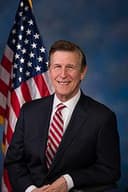
1 + 35
D· Virginia
YRS IN OFFICE
11
BILLS LED
63
COSPONSOR BREAKDOWNBIPARTISAN · 0%
DEM 35 REP 0 IND 0
ACTION TIMELINE
2 EVENTSMAR 20
Introduced in House
MAR 20
Referred to the Committee on Energy and Commerce, and in addition to the Committee on the Judiciary, for a period to be subsequently determined by the Speaker, in each case for consideration of such provisions as fall within the jurisdiction of the committee concerned.
BILL INFO
TypeHouse Bill
NumberHR 8031
Congress119th
StatusIn Committee
IntroducedMar 20, 2026
Last actionMar 20, 2026
READER REACTIONS
OVERALL SENTIMENT
No reactions yet. Be the first to weigh in.
Discussion
Loading comments...
IN COMMITTEE· 119TH CONGRESS · JUDICIARY COMMITTEE · INTRODUCED MAR 20, 2026
House BillHR 8031Science, Technology, Communications
GUARDRAILS Act
INTRODUCED MAR 20, 2026· LAST ACTION MAR 20, 2026
PASSAGE CHANCES
—%
READING
1 min
COSPONSORS
35
COMPLEXITY
Moderate