Bills · HR 7983
IN COMMITTEE· 119TH CONGRESS
House BillHR 7983Crime and Law Enforcement
Clean Water for All Life Act
INTRO MAR 18· LAST ACTION MAR 18
READING
3MIN
COSPONSORS
19
READER REACTIONS0 TOTAL
NO VOTES YET · BE THE FIRST
- Introduced only
LEGISLATIVE PROGRESS
STEP 2 / 8Introduced
In Committee
Reported
Passed House
Passed Senate
Conference
To President
Became Law
WHAT THE BILL DOES
AI-writtenThis bill matters because it would dramatically change how chemical abortions are provided and accessed across the United States. Currently, in many states, chemical abortion medications can be prescribed via telehealth and mailed to patients, or patients may not need a provider physically present during the abortion process itself. This bill would effectively end those practices by making an in-person physical exam and the provider's physical presence at the location of the abortion a federal requirement.
If this bill becomes law, it would significantly restrict access to chemical abortions, particularly for individuals in rural areas, those with limited transportation, or those who prefer or need a more private process. If it does not become law, the current practices for chemical abortion access, including telehealth options, would largely remain in place, subject to state laws.
KEY PROVISIONS
5AI-extractedPROVISION 01
Prohibits providing chemical abortion drugs without a physical examination by a healthcare provider.
This means all chemical abortions would require an in-person physical exam, ending telehealth options for medication abortion.
PROVISION 02
Prohibits providing chemical abortion drugs without the healthcare provider being physically present at the location of the chemical abortion.
This would require a healthcare provider to be in the same room as the patient during the administration of the chemical abortion, changing common practice.
PROVISION 03
Requires healthcare providers to give patients a 'catch kit' and 'red bag medical waste' with instructions for proper disposal back to the provider.
This adds specific requirements for medical waste disposal that patients would be responsible for returning to the provider.
PROVISION 04
Amends federal law to rename the chapter on 'PARTIAL-BIRTH ABORTIONS' to 'ABORTION CRIMES.'
This changes the legal categorization of specific abortion-related offenses in federal law.
PROVISION 05
Establishes penalties of up to 5 years imprisonment, up to a $50,000 fine, or both, for each violation.
This creates serious criminal consequences for healthcare providers who do not follow the new requirements.
SPONSORSHIP
1 + 19
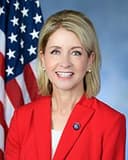
R· Illinois
YRS IN OFFICE
5
BILLS LED
36
COSPONSOR BREAKDOWNBIPARTISAN · 0%
DEM 0 REP 19 IND 0
ACTION TIMELINE
2 EVENTSMAR 18
Introduced in House
MAR 18
Referred to the House Committee on the Judiciary.
BILL INFO
TypeHouse Bill
NumberHR 7983
Congress119th
StatusIn Committee
IntroducedMar 18, 2026
Last actionMar 18, 2026
READER REACTIONS
OVERALL SENTIMENT
No reactions yet. Be the first to weigh in.
Discussion
Loading comments...
IN COMMITTEE· 119TH CONGRESS · JUDICIARY COMMITTEE · INTRODUCED MAR 18, 2026
House BillHR 7983Crime and Law Enforcement
Clean Water for All Life Act
INTRODUCED MAR 18, 2026· LAST ACTION MAR 18, 2026
PASSAGE CHANCES
—%
READING
3 min
COSPONSORS
19
COMPLEXITY
Moderate