Bills · HR 7961
IN COMMITTEE· 119TH CONGRESS
House BillHR 7961Immigration
H–1Bs for Physicians and the Healthcare Workforce Act
INTRO MAR 17· LAST ACTION MAR 17
READING
1MIN
COSPONSORS
63
READER REACTIONS0 TOTAL
NO VOTES YET · BE THE FIRST
- Introduced only
LEGISLATIVE PROGRESS
STEP 2 / 8Introduced
In Committee
Reported
Passed House
Passed Senate
Conference
To President
Became Law
WHAT THE BILL DOES
AI-writtenThis bill matters because it directly addresses the ongoing shortage of healthcare workers in the United States, a critical issue highlighted by events like the recent pandemic. Many communities, especially those in rural areas or with growing elderly populations, struggle to find enough doctors, nurses, and other medical professionals to meet local needs. By making it easier and more affordable for qualified foreign healthcare workers to enter the U.S., the bill could help fill these crucial job openings and improve access to medical care for millions of Americans.
If this bill becomes law, we could see more foreign healthcare professionals entering the U.S. workforce, potentially alleviating some of the strain on existing healthcare systems, reducing patient wait times, and strengthening the overall capacity of our medical infrastructure. If it does not become law, the current restrictions and the substantial $100,000 fee for many H-1B visa holders, including healthcare workers, would remain in place, likely continuing to hinder efforts to quickly expand the healthcare workforce with international talent.
KEY PROVISIONS
3AI-extractedPROVISION 01
Exempts H-1B healthcare workers from the restrictions outlined in a specific Presidential Proclamation from September 19, 2025.
This provision removes a significant barrier that currently prevents or makes it very difficult for certain foreign healthcare professionals to work in the U.S.
PROVISION 02
Eliminates the requirement for H-1B healthcare workers to pay an additional $100,000 fee that is currently part of the Presidential Proclamation's restrictions.
This makes it much more financially viable for qualified foreign healthcare workers to accept job offers in the U.S.
PROVISION 03
Prohibits the imposition of any additional fees on these H-1B healthcare workers beyond the standard, existing H-1B visa application fees.
This ensures that new or hidden costs won't emerge to replace the specific fee that is being removed, maintaining a clear cost structure.
SPONSORSHIP
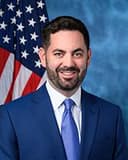
1 + 63
R· New York
YRS IN OFFICE
3
BILLS LED
125
COSPONSOR BREAKDOWNBIPARTISAN · 22%
DEM 56 REP 7 IND 0
ACTION TIMELINE
2 EVENTSMAR 17
Introduced in House
MAR 17
Referred to the House Committee on the Judiciary.
BILL INFO
TypeHouse Bill
NumberHR 7961
Congress119th
StatusIn Committee
IntroducedMar 17, 2026
Last actionMar 17, 2026
READER REACTIONS
OVERALL SENTIMENT
No reactions yet. Be the first to weigh in.
Discussion
Loading comments...
IN COMMITTEE· 119TH CONGRESS · JUDICIARY COMMITTEE · INTRODUCED MAR 17, 2026
House BillHR 7961Immigration
H–1Bs for Physicians and the Healthcare Workforce Act
INTRODUCED MAR 17, 2026· LAST ACTION MAR 17, 2026
PASSAGE CHANCES
—%
READING
1 min
COSPONSORS
63
COMPLEXITY
Moderate