Bills · HR 7907
IN COMMITTEE· 119TH CONGRESS
House BillHR 7907Science, Technology, Communications
AI-Ready Bio-Data Standards Act
INTRO MAR 12· LAST ACTION MAR 12
READING
12MIN
COSPONSORS
4BIPARTISAN
READER REACTIONS0 TOTAL
NO VOTES YET · BE THE FIRST
- Introduced only
LEGISLATIVE PROGRESS
STEP 2 / 8Introduced
In Committee
Reported
Passed House
Passed Senate
Conference
To President
Became Law
WHAT THE BILL DOES
AI-writtenThis bill matters because currently, biological data is often collected and stored in many different ways, making it hard for advanced AI systems to analyze efficiently across various sources. If this bill becomes law, it would create a uniform approach for government-funded biological data, making it much easier for AI to process and find patterns. This could significantly speed up scientific discoveries in critical areas like drug development, disease treatment, and the creation of new materials.
Without these standardized practices, the vast amount of biological research funded by taxpayers might not be fully leveraged by the rapidly advancing field of artificial intelligence. This means slower progress in addressing major health challenges, developing new biotechnologies, and maintaining the nation's competitive edge in scientific innovation.
KEY PROVISIONS
5AI-extractedPROVISION 01
Directs the National Institute of Standards and Technology (NIST) to establish definitions, standards, resources, and frameworks to ensure certain biological datasets are 'AI-ready'.
This provision creates a unified national approach for formatting biological data from government-funded research, making it consistently usable by AI.
PROVISION 02
Requires NIST to define key terms like 'artificial intelligence-ready' and 'qualified federally funded research,' outlining what conditions must be met.
Clear definitions are crucial for consistent application of the new standards across diverse research projects and agencies.
PROVISION 03
Mandates NIST to consult with various federal agencies, private sector entities, and academia when developing these standards.
Broad consultation ensures that the standards are practical, widely accepted, and reflect diverse expertise.
PROVISION 04
Requires NIST to conduct an inventory of existing biotechnology standards and biological datasets generated by federally funded research.
This establishes a baseline and helps integrate existing useful practices rather than creating entirely new ones from scratch.
PROVISION 05
Stipulates that the new definitions, standards, resources, and frameworks should not be overly burdensome on research recipients.
This aims to prevent new requirements from hindering research or placing undue financial or operational strain on scientists.
SPONSORSHIP
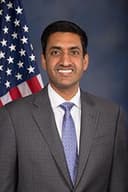
1 + 4
D· California
YRS IN OFFICE
9
BILLS LED
52
COSPONSOR BREAKDOWNBIPARTISAN · 50%
DEM 3 REP 1 IND 0
ACTION TIMELINE
2 EVENTSMAR 12
Introduced in House
MAR 12
Referred to the House Committee on Science, Space, and Technology.
BILL INFO
TypeHouse Bill
NumberHR 7907
Congress119th
StatusIn Committee
IntroducedMar 12, 2026
Last actionMar 12, 2026
READER REACTIONS
OVERALL SENTIMENT
No reactions yet. Be the first to weigh in.
Discussion
Loading comments...
IN COMMITTEE· 119TH CONGRESS · SCIENCE, SPACE, AND TECHNOLOGY COMMITTEE · INTRODUCED MAR 12, 2026
House BillHR 7907Science, Technology, Communications
AI-Ready Bio-Data Standards Act
INTRODUCED MAR 12, 2026· LAST ACTION MAR 12, 2026
PASSAGE CHANCES
—%
READING
12 min
COSPONSORS
4
COMPLEXITY
Moderate