Bills · HR 7897
IN COMMITTEE· 119TH CONGRESS
House BillHR 7897Taxation
No Tax on Drill Pay Act
INTRO MAR 12· LAST ACTION MAR 12
READING
1MIN
COSPONSORS
7
READER REACTIONS0 TOTAL
NO VOTES YET · BE THE FIRST
- Introduced only
LEGISLATIVE PROGRESS
STEP 2 / 8Introduced
In Committee
Reported
Passed House
Passed Senate
Conference
To President
Became Law
WHAT THE BILL DOES
AI-writtenVoters should care about this bill because it directly impacts the financial well-being of military reservists and National Guard members, who often balance civilian careers with their military service. By making their "drill pay" tax-free, the bill could alleviate some financial strain for these individuals and their families, potentially making their service more financially sustainable.
If this bill becomes law, it could be seen as a way to honor and support those who serve in a part-time capacity, potentially encouraging retention in the Reserves and National Guard. If it doesn't pass, inactive-duty training pay will continue to be taxed as it is currently, meaning these service members will continue to pay federal income tax on this portion of their earnings.
KEY PROVISIONS
3AI-extractedPROVISION 01
Excludes compensation received for inactive-duty training from being counted as part of an individual's gross income for federal tax purposes.
This directly reduces the federal income tax burden for military reservists and National Guard members on their drill pay.
PROVISION 02
Amends Section 134(b) of the Internal Revenue Code of 1986 to classify inactive-duty training compensation as a "qualified military benefit."
This is the legal mechanism that formally establishes the tax exemption within federal law.
PROVISION 03
The new tax exclusion will apply to any compensation received after the date the bill is officially signed into law.
This sets the effective start date for when service members would begin to see the tax benefit.
SPONSORSHIP
1 + 7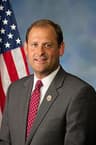
R· Kentucky
YRS IN OFFICE
13
BILLS LED
60
COSPONSOR BREAKDOWNBIPARTISAN · 0%
DEM 0 REP 7 IND 0
ACTION TIMELINE
2 EVENTSMAR 12
Introduced in House
MAR 12
Referred to the House Committee on Ways and Means.
BILL INFO
TypeHouse Bill
NumberHR 7897
Congress119th
StatusIn Committee
IntroducedMar 12, 2026
Last actionMar 12, 2026
READER REACTIONS
OVERALL SENTIMENT
No reactions yet. Be the first to weigh in.
Discussion
Loading comments...
IN COMMITTEE· 119TH CONGRESS · WAYS AND MEANS COMMITTEE · INTRODUCED MAR 12, 2026
House BillHR 7897Taxation
No Tax on Drill Pay Act
INTRODUCED MAR 12, 2026· LAST ACTION MAR 12, 2026
PASSAGE CHANCES
—%
READING
1 min
COSPONSORS
7
COMPLEXITY
Moderate