Bills · HR 7859
IN COMMITTEE· 119TH CONGRESS
House BillHR 7859Immigration
Welcoming International Success Act
INTRO MAR 5· LAST ACTION MAR 5
READING
1MIN
COSPONSORS
4
READER REACTIONS0 TOTAL
NO VOTES YET · BE THE FIRST
- Introduced only
LEGISLATIVE PROGRESS
STEP 2 / 8Introduced
In Committee
Reported
Passed House
Passed Senate
Conference
To President
Became Law
WHAT THE BILL DOES
AI-writtenThis bill matters because it directly impacts the flow of skilled international talent into the U.S. If it becomes law, it would remove a significant hurdle for U.S. companies looking to hire temporary foreign workers, particularly those with H-1B visas, potentially easing labor shortages in specialized fields and fostering innovation. This could lead to economic growth and maintain the U.S.'s competitive edge in global industries.
Conversely, if the bill does not pass, the restrictions from the September 2025 proclamation would remain in effect. This would continue to limit the number and type of temporary foreign workers entering the U.S., potentially leading to challenges for businesses in finding specialized talent and prompting some to consider moving operations or jobs elsewhere. It connects to broader debates about immigration, job creation, and the balance between protecting domestic jobs and attracting global talent.
KEY PROVISIONS
2AI-extractedPROVISION 01
The bill explicitly states that a presidential order from September 19, 2025, called "Restriction On Entry Of Certain Nonimmigrant Workers," will no longer be valid or have any legal power.
This provision directly nullifies a previous government action that limited the entry of specific temporary foreign workers, potentially making it easier for them to come to the U.S.
PROVISION 02
It prohibits federal agencies from spending any money or using any resources to enforce or carry out the terms of the invalidated presidential order.
This ensures that the government cannot continue to implement the restrictions even indirectly, reinforcing the repeal of the previous policy.
SPONSORSHIP
1 + 4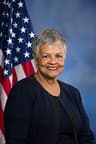
D· New Jersey
YRS IN OFFICE
11
BILLS LED
53
COSPONSOR BREAKDOWNBIPARTISAN · 0%
DEM 4 REP 0 IND 0
ACTION TIMELINE
2 EVENTSMAR 5
Introduced in House
MAR 5
Referred to the House Committee on the Judiciary.
BILL INFO
TypeHouse Bill
NumberHR 7859
Congress119th
StatusIn Committee
IntroducedMar 5, 2026
Last actionMar 5, 2026
READER REACTIONS
OVERALL SENTIMENT
No reactions yet. Be the first to weigh in.
Discussion
Loading comments...
IN COMMITTEE· 119TH CONGRESS · JUDICIARY COMMITTEE · INTRODUCED MAR 5, 2026
House BillHR 7859Immigration
Welcoming International Success Act
INTRODUCED MAR 5, 2026· LAST ACTION MAR 5, 2026
PASSAGE CHANCES
—%
READING
1 min
COSPONSORS
4
COMPLEXITY
Moderate