Bills · HR 7853
IN COMMITTEE· 119TH CONGRESS
House BillHR 7853Health
PrEP Access and Coverage Act of 2026
INTRO MAR 5· LAST ACTION MAR 5
READING
28MIN
COSPONSORS
24
READER REACTIONS0 TOTAL
NO VOTES YET · BE THE FIRST
- Introduced only
LEGISLATIVE PROGRESS
STEP 2 / 8Introduced
In Committee
Reported
Passed House
Passed Senate
Conference
To President
Became Law
WHAT THE BILL DOES
AI-writtenVoters should care about this bill because it addresses a critical public health issue by making HIV prevention more accessible and affordable. HIV/AIDS remains a significant health concern in the U.S., and PrEP has proven highly effective in preventing new infections. By removing financial barriers like co-pays, deductibles, and preauthorization hurdles, this bill could lead to more people using PrEP, potentially reducing the rate of new HIV transmissions across the country.
If this bill becomes law, more people who need PrEP could get it without worrying about cost or bureaucratic delays. If it doesn't pass, access to PrEP will continue to vary, with some people potentially unable to afford it or facing obstacles that discourage them from starting or staying on treatment, thus hindering efforts to end the HIV epidemic. It would also ensure that breast cancer screening guidelines are up-to-date within federal statutes.
KEY PROVISIONS
5AI-extractedPROVISION 01
Requires private health insurance plans, including "grandfathered" plans, to cover FDA-approved HIV prevention drugs (PrEP) and related services without cost-sharing.
This ensures that most privately insured individuals can access PrEP without out-of-pocket expenses, making it more affordable.
PROVISION 02
Prohibits private health insurance plans from generally requiring preauthorization for HIV prevention drugs, allowing it for a specific drug only if a therapeutically equivalent option is covered without preauthorization.
This removes a common barrier to accessing medication, speeding up the process for individuals to start or continue PrEP.
PROVISION 03
Mandates that the Federal Employees Health Benefits Program cover HIV prevention drugs and related services with no cost-sharing.
This extends affordable PrEP access to federal workers and their families, aligning with the private insurance requirements.
PROVISION 04
Requires state Medicaid programs to cover HIV prevention services, including drugs and associated care, with no cost-sharing.
This ensures that low-income individuals and those covered by Medicaid can access crucial HIV prevention tools without financial barriers.
PROVISION 05
Updates the references to breast cancer screening, mammography, and prevention guidelines to reflect the most current recommendations from the United States Preventive Service Task Force.
This provision ensures that breast cancer screening guidelines within insurance coverage are up-to-date in federal statutes.
SPONSORSHIP
1 + 24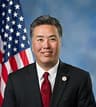
D· California
YRS IN OFFICE
13
BILLS LED
27
COSPONSOR BREAKDOWNBIPARTISAN · 0%
DEM 24 REP 0 IND 0
ACTION TIMELINE
2 EVENTSMAR 5
Introduced in House
MAR 5
Referred to the Committee on Energy and Commerce, and in addition to the Committees on Oversight and Government Reform, Ways and Means, Veterans' Affairs, Armed Services, Natural Resources, Financial Services, and Education and Workforce, for a period to be subsequently determined by the Speaker, in each case for consideration of such provisions as fall within the jurisdiction of the committee concerned.
BILL INFO
TypeHouse Bill
NumberHR 7853
Congress119th
StatusIn Committee
IntroducedMar 5, 2026
Last actionMar 5, 2026
READER REACTIONS
OVERALL SENTIMENT
No reactions yet. Be the first to weigh in.
Discussion
Loading comments...
IN COMMITTEE· 119TH CONGRESS · OVERSIGHT AND GOVERNMENT REFORM COMMITTEE · INTRODUCED MAR 5, 2026
House BillHR 7853Health
PrEP Access and Coverage Act of 2026
INTRODUCED MAR 5, 2026· LAST ACTION MAR 5, 2026
PASSAGE CHANCES
—%
READING
28 min
COSPONSORS
24
COMPLEXITY
Moderate