Bills · HR 7787
IN COMMITTEE· 119TH CONGRESS
House BillHR 7787Health
To amend title VII of the Public Health Service Act to strengthen the mental health workforce, and for other purposes.
INTRO MAR 4· LAST ACTION MAR 4
READING
4MIN
COSPONSORS
3BIPARTISAN
READER REACTIONS0 TOTAL
NO VOTES YET · BE THE FIRST
- Introduced only
LEGISLATIVE PROGRESS
STEP 2 / 8Introduced
In Committee
Reported
Passed House
Passed Senate
Conference
To President
Became Law
WHAT THE BILL DOES
AI-writtenThis bill matters because many communities across the country struggle with a severe shortage of mental health professionals, making it difficult for people to access necessary care. At the same time, the cost of education for these professions is often very high, creating a significant debt burden for graduates. This financial barrier can discourage individuals from entering the field or from practicing in lower-paying, underserved areas.
If this bill becomes law, it could help address both problems by making it more financially attractive for mental health students, especially those from minority-serving institutions, to commit to working in these high-need regions. This could lead to more available therapists, counselors, and psychiatrists in places that desperately need them, improving overall public health and well-being. If it doesn't pass, the existing shortages and financial pressures on mental health professionals are likely to continue, potentially worsening the mental health crisis in underserved communities.
KEY PROVISIONS
4AI-extractedPROVISION 01
Establishes a new mental health provider loan deferment and forgiveness program under the Public Health Service Act.
This creates a direct financial incentive for mental health professionals to serve in underserved areas.
PROVISION 02
Requires eligible individuals to commit to at least five years of full-time service as a qualified mental health provider in a designated mental health shortage area.
This ensures the program directly addresses the geographic shortage of mental health professionals by requiring long-term commitment.
PROVISION 03
Offers loan forgiveness of up to $200,000 for principal and interest after five consecutive years of service.
This provides substantial financial relief to graduates, making the career path more accessible despite high education costs.
PROVISION 04
Defines eligible individuals as students or trainees from minority-serving institutions pursuing mental health degrees, who commit to service upon graduation.
This targets support to a specific demographic and educational pathway, potentially diversifying the mental health workforce.
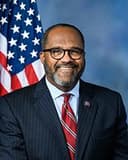
SPONSORSHIP
1 + 3
D· Louisiana
YRS IN OFFICE
5
BILLS LED
30
COSPONSOR BREAKDOWNBIPARTISAN · 66%
DEM 1 REP 2 IND 0
ACTION TIMELINE
2 EVENTSMAR 4
Introduced in House
MAR 4
Referred to the House Committee on Energy and Commerce.
BILL INFO
TypeHouse Bill
NumberHR 7787
Congress119th
StatusIn Committee
IntroducedMar 4, 2026
Last actionMar 4, 2026
READER REACTIONS
OVERALL SENTIMENT
No reactions yet. Be the first to weigh in.
Discussion
Loading comments...
IN COMMITTEE· 119TH CONGRESS · ENERGY AND COMMERCE COMMITTEE · INTRODUCED MAR 4, 2026
House BillHR 7787Health
To amend title VII of the Public Health Service Act to strengthen the mental health workforce, and for other purposes.
INTRODUCED MAR 4, 2026· LAST ACTION MAR 4, 2026
PASSAGE CHANCES
—%
READING
4 min
COSPONSORS
3
COMPLEXITY
Moderate