Bills · HR 7752
IN COMMITTEE· 119TH CONGRESS
House BillHR 7752Crime and Law Enforcement
Kelsey Smith Act
INTRO MAR 2· LAST ACTION MAR 2
READING
5MIN
COSPONSORS
3BIPARTISAN
READER REACTIONS0 TOTAL
NO VOTES YET · BE THE FIRST
- Introduced only
LEGISLATIVE PROGRESS
STEP 2 / 8Introduced
In Committee
Reported
Passed House
Passed Senate
Conference
To President
Became Law
WHAT THE BILL DOES
AI-writtenThis bill matters because it aims to reduce the time it takes for emergency responders to locate people in urgent, life-threatening situations, potentially saving lives. By creating a mandatory process for telecommunication providers to release location data to law enforcement or 911 centers, it addresses situations where delays in obtaining this information could have critical consequences, such as in cases of kidnapping, missing persons, or individuals in medical distress who cannot communicate their exact whereabouts.
Without this law, obtaining real-time location data might involve a slower process of getting court orders, or relying on voluntary cooperation from carriers, which can vary. If this bill becomes law, emergency services would have a more consistent and expedited method to get crucial location details, making a tangible difference in how quickly they can respond to crises. If it doesn't pass, the current, often slower, methods for obtaining location data in emergencies would remain in place, which could continue to delay critical rescue efforts.
KEY PROVISIONS
5AI-extractedPROVISION 01
Requires electronic communication service providers to immediately give law enforcement or 911 centers a device's location information under specific emergency conditions.
This creates a mandatory, rapid system for getting crucial location data in emergencies, potentially speeding up rescue efforts.
PROVISION 02
Location information can be requested if the device was used to contact 911 in the last 48 hours, or if there's reasonable suspicion of an emergency involving death or serious harm.
This defines the narrow and serious circumstances under which such a request can be made, preventing overuse.
PROVISION 03
Consent from the device owner or their next of kin is generally required, but location data can still be released without explicit consent if reasonable efforts were made to get it, no refusal occurred, and delaying the information could increase the risk of death or serious harm.
This provision balances the urgent need for information in life-threatening situations with privacy considerations and the rights of individuals.
PROVISION 04
Law enforcement agencies must keep detailed records of all emergency location information requests made under this act.
This ensures accountability and oversight for these types of requests, helping to prevent misuse.
PROVISION 05
Defines a specific priority order for determining "next of kin" (e.g., spouse, child, parent) for consent purposes.
This provides clear guidance on who can give consent if the device owner is unavailable, simplifying the process in urgent situations.
SPONSORSHIP
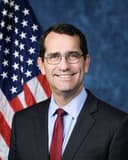
1 + 3
R· Kansas
YRS IN OFFICE
1
BILLS LED
17
COSPONSOR BREAKDOWNBIPARTISAN · 66%
DEM 1 REP 2 IND 0
ACTION TIMELINE
2 EVENTSMAR 2
Introduced in House
MAR 2
Referred to the House Committee on the Judiciary.
BILL INFO
TypeHouse Bill
NumberHR 7752
Congress119th
StatusIn Committee
IntroducedMar 2, 2026
Last actionMar 2, 2026
READER REACTIONS
OVERALL SENTIMENT
No reactions yet. Be the first to weigh in.
Discussion
Loading comments...
IN COMMITTEE· 119TH CONGRESS · JUDICIARY COMMITTEE · INTRODUCED MAR 2, 2026
House BillHR 7752Crime and Law Enforcement
Kelsey Smith Act
INTRODUCED MAR 2, 2026· LAST ACTION MAR 2, 2026
PASSAGE CHANCES
—%
READING
5 min
COSPONSORS
3
COMPLEXITY
Moderate