Bills · HR 7719
IN COMMITTEE· 119TH CONGRESS
House BillHR 7719Crime and Law Enforcement
SOS Act of 2026
INTRO FEB 25· LAST ACTION FEB 25
READING
2MIN
COSPONSORS
1
READER REACTIONS0 TOTAL
NO VOTES YET · BE THE FIRST
- Introduced only
LEGISLATIVE PROGRESS
STEP 2 / 8Introduced
In Committee
Reported
Passed House
Passed Senate
Conference
To President
Became Law
WHAT THE BILL DOES
AI-writtenThis bill matters because it uses a large amount of federal money (10 billion dollars over five years) as a powerful incentive to influence how states handle criminal justice, especially concerning repeat violent offenders. If passed, it would encourage states to adopt specific 'tough-on-crime' policies, such as mandating longer sentences and pretrial detention, and implementing life sentences for three violent felonies. This could lead to a nationwide increase in incarceration rates and a significant expansion of state correctional facilities.
Voters should care because it impacts the fundamental approach to public safety and criminal justice in their state. It could change how their state's justice system operates, potentially leading to more people being jailed before trial and serving longer prison terms. It also represents a federal effort to standardize certain aspects of state-level criminal justice, rather than leaving these decisions entirely to local jurisdictions, with a substantial financial commitment behind it.
KEY PROVISIONS
5AI-extractedPROVISION 01
Establishes a new federal grant program for states to discourage repeat offenders.
Creates a new financial incentive for states to adopt specific crime policies related to repeat offenders.
PROVISION 02
Requires eligible states to have laws mandating repeat offenders serve at least 85% of their imposed prison sentence.
Encourages or requires stricter 'truth-in-sentencing' policies across participating states, meaning less time off for good behavior or parole.
PROVISION 03
Requires eligible states to have laws for pretrial detention of individuals charged with violent crimes who pose a clear threat to public safety.
Aims to keep potentially dangerous individuals off the streets before trial, but impacts individual liberty and the presumption of innocence.
PROVISION 04
Requires eligible states to have laws mandating life imprisonment for individuals convicted of three distinct violent offenses.
Imposes a 'three-strikes' policy for serious violent crimes, leading to very long sentences for repeat violent offenders.
PROVISION 05
Stipulates that grant funds must be used to construct or expand correctional facilities and to train and support correctional staff.
Directs federal funds towards expanding incarceration capacity and supporting the prison system rather than other crime prevention measures.
SPONSORSHIP
1 + 1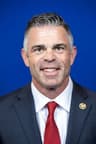
R· Wisconsin
YRS IN OFFICE
1
BILLS LED
21
COSPONSOR BREAKDOWNBIPARTISAN · 0%
DEM 0 REP 1 IND 0
ACTION TIMELINE
2 EVENTSFEB 25
Introduced in House
FEB 25
Referred to the House Committee on the Judiciary.
BILL INFO
TypeHouse Bill
NumberHR 7719
Congress119th
StatusIn Committee
IntroducedFeb 25, 2026
Last actionFeb 25, 2026
READER REACTIONS
OVERALL SENTIMENT
No reactions yet. Be the first to weigh in.
Discussion
Loading comments...
IN COMMITTEE· 119TH CONGRESS · JUDICIARY COMMITTEE · INTRODUCED FEB 25, 2026
House BillHR 7719Crime and Law Enforcement
SOS Act of 2026
INTRODUCED FEB 25, 2026· LAST ACTION FEB 25, 2026
PASSAGE CHANCES
—%
READING
2 min
COSPONSORS
1
COMPLEXITY
Moderate