Bills · HR 7666
IN COMMITTEE· 119TH CONGRESS
House BillHR 7666Health
SOS: Sustaining Outpatient Services Act
INTRO FEB 24· LAST ACTION FEB 24
READING
2MIN
COSPONSORS
1
READER REACTIONS0 TOTAL
NO VOTES YET · BE THE FIRST
- Introduced only
LEGISLATIVE PROGRESS
STEP 2 / 8Introduced
In Committee
Reported
Passed House
Passed Senate
Conference
To President
Became Law
WHAT THE BILL DOES
AI-writtenThis bill matters because it changes how Medicare pays for healthcare, specifically addressing a policy known as "site-neutral payments." Historically, Medicare often paid more for services when they were provided in a hospital setting compared to a doctor's office, even for the same service. Congress previously moved towards "site-neutral" payments to reduce costs, meaning services performed in certain off-campus hospital outpatient departments would be paid at a lower rate, similar to a physician's office.
If this bill becomes law, it would reverse that trend for a specific subset of lower-volume services provided at off-campus clinics, allowing them to receive the higher hospital outpatient payment rates. This could make it more financially feasible for these clinics to offer certain services, potentially improving access to care, especially in communities where such clinics are vital. However, it also means Medicare would likely spend more money on these services. If it doesn't become law, the current payment structure, which includes lower rates for many services at off-campus clinics, would remain in place.
KEY PROVISIONS
3AI-extractedPROVISION 01
Allows certain services from off-campus hospital outpatient departments to be paid under the hospital outpatient prospective payment system (OPPS).
This provision grants higher Medicare reimbursement rates for specific services at these facilities, which typically pay more than other payment systems.
PROVISION 02
The expanded payment applies to services furnished in a year beginning with 2027.
This sets the effective date for when the proposed payment changes would begin to take effect.
PROVISION 03
The allowed services must be from a physician specialty for which the total Medicare payments in the previous year were less than $2,000,000 under the physician fee schedule.
This specifies a financial threshold, targeting lower-volume services within certain specialties for higher reimbursement, rather than all services.
SPONSORSHIP
1 + 1
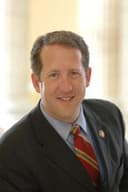
R· Nebraska
YRS IN OFFICE
19
BILLS LED
26
COSPONSOR BREAKDOWNBIPARTISAN · 0%
DEM 1 REP 0 IND 0
ACTION TIMELINE
2 EVENTSFEB 24
Introduced in House
FEB 24
Referred to the Committee on Energy and Commerce, and in addition to the Committee on Ways and Means, for a period to be subsequently determined by the Speaker, in each case for consideration of such provisions as fall within the jurisdiction of the committee concerned.
BILL INFO
TypeHouse Bill
NumberHR 7666
Congress119th
StatusIn Committee
IntroducedFeb 24, 2026
Last actionFeb 24, 2026
READER REACTIONS
OVERALL SENTIMENT
No reactions yet. Be the first to weigh in.
Discussion
Loading comments...
IN COMMITTEE· 119TH CONGRESS · WAYS AND MEANS COMMITTEE · INTRODUCED FEB 24, 2026
House BillHR 7666Health
SOS: Sustaining Outpatient Services Act
INTRODUCED FEB 24, 2026· LAST ACTION FEB 24, 2026
PASSAGE CHANCES
—%
READING
2 min
COSPONSORS
1
COMPLEXITY
Moderate