Bills · HR 7543
IN COMMITTEE· 119TH CONGRESS
House BillHR 7543Environmental Protection
Plastic Pellet Free Waters Act
INTRO FEB 12· LAST ACTION FEB 13
READING
3MIN
COSPONSORS
65
READER REACTIONS0 TOTAL
NO VOTES YET · BE THE FIRST
- Introduced only
LEGISLATIVE PROGRESS
STEP 2 / 8Introduced
In Committee
Reported
Passed House
Passed Senate
Conference
To President
Became Law
WHAT THE BILL DOES
AI-writtenPlastic pellets are the raw material for nearly all plastic products, and millions of them are spilled into the environment annually during production, transport, and manufacturing. Once in waterways, these tiny plastic pieces can be mistaken for food by fish, birds, and other wildlife, leading to digestive issues, starvation, and exposure to toxins. They also break down into even smaller microplastics, which are pervasive pollutants found everywhere from the deepest oceans to drinking water.
This bill matters because it would create a nationwide, enforceable standard to prevent this specific source of plastic pollution. If it becomes law, it means that businesses handling pre-production plastics would face federal requirements to keep these materials out of water, which could significantly reduce the amount of new plastic entering the environment. If it doesn't pass, preventing plastic pellet pollution would continue to rely on a patchwork of state and local regulations or voluntary industry efforts, which may not be as comprehensive or effective in addressing the problem on a national scale.
KEY PROVISIONS
4AI-extractedPROVISION 01
Requires the EPA to issue a final rule within 60 days of the bill's enactment.
This sets a rapid timeline for the EPA to establish the necessary regulations, indicating an urgent need to address the issue.
PROVISION 02
Prohibits the discharge of plastic pellets or other pre-production plastic materials into water from plastic polymer production and plastic molding/forming facilities.
This is the core action of the bill, directly stopping a major source of plastic pollution at its origin.
PROVISION 03
Extends the prohibition to any 'point source' that makes, uses, packages, or transports plastic pellets or other pre-production plastic materials.
This broadens the scope of the prohibition to cover all stages of the supply chain, not just the primary manufacturing facilities.
PROVISION 04
Requires these prohibitions to be reflected in all wastewater, stormwater, and other relevant permits issued under the Clean Water Act.
This ensures that the new rules are legally binding and enforceable through the existing permitting system.
SPONSORSHIP
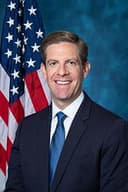
1 + 65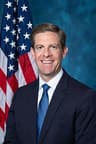
D· California
YRS IN OFFICE
7
BILLS LED
25
COSPONSOR BREAKDOWNBIPARTISAN · 0%
DEM 65 REP 0 IND 0
ACTION TIMELINE
4 EVENTSFEB 13
Referred to the Subcommittee on Water Resources and Environment.
FEB 12
Introduced in House
FEB 12
Referred to the House Committee on Transportation and Infrastructure.
FEB 12
Referred to the House Committee on Transportation and Infrastructure.
BILL INFO
TypeHouse Bill
NumberHR 7543
Congress119th
StatusIn Committee
IntroducedFeb 12, 2026
Last actionFeb 13, 2026
READER REACTIONS
OVERALL SENTIMENT
No reactions yet. Be the first to weigh in.
Discussion
Loading comments...
IN COMMITTEE· 119TH CONGRESS · TRANSPORTATION AND INFRASTRUCTURE COMMITTEE · INTRODUCED FEB 12, 2026
House BillHR 7543Environmental Protection
Plastic Pellet Free Waters Act
INTRODUCED FEB 12, 2026· LAST ACTION FEB 13, 2026
PASSAGE CHANCES
—%
READING
3 min
COSPONSORS
65
COMPLEXITY
Moderate