Bills · HR 7471
IN COMMITTEE· 119TH CONGRESS
House BillHR 7471Labor and Employment
Give America a Raise Act
INTRO FEB 10· LAST ACTION FEB 10
READING
10MIN
COSPONSORS
5
READER REACTIONS0 TOTAL
NO VOTES YET · BE THE FIRST
- Introduced only
LEGISLATIVE PROGRESS
STEP 2 / 8Introduced
In Committee
Reported
Passed House
Passed Senate
Conference
To President
Became Law
WHAT THE BILL DOES
AI-writtenThis bill matters because it aims to significantly increase the income of millions of low-wage workers, potentially improving their living standards and reducing poverty. By raising the minimum wage to $20 an hour and tying future increases to economic indicators, it could help ensure that workers' wages keep pace with inflation and the rising cost of living, providing more financial stability.
If this bill becomes law, it could boost consumer spending as more people have disposable income, potentially stimulating economic growth. However, it could also lead to higher operational costs for businesses, which might result in increased prices for consumers, reduced hiring, or automation in some sectors. If the bill does not become law, the federal minimum wage would remain at its current level, continuing existing debates about its adequacy for a living wage and its impact on income inequality.
KEY PROVISIONS
5AI-extractedPROVISION 01
The federal minimum wage would increase incrementally over three years, reaching $20.00 an hour.
This provision directly raises the income for millions of low-wage workers.
PROVISION 02
After the initial increases, the federal minimum wage would be adjusted annually based on the higher of inflation or Gross Domestic Product growth.
This ensures the minimum wage keeps pace with economic changes without requiring new legislation each year.
PROVISION 03
The separate, lower minimum cash wage for tipped employees would be gradually increased until it matches the full federal minimum wage.
This eliminates the sub-minimum wage for tipped workers, requiring employers to pay them the full standard minimum wage before tips.
PROVISION 04
The separate, lower minimum wage for employees under 20 years old would be gradually increased until it matches the full federal minimum wage.
This removes the distinction for youth wages, ensuring younger workers earn the same minimum as other employees.
PROVISION 05
The bill clarifies that employees have the right to retain any tips received and prohibits employers from 'using' tips, not just 'keeping' them.
This provision strengthens protections for tipped employees, ensuring tips go directly to workers.
SPONSORSHIP
1 + 5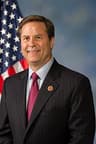
D· New Jersey
YRS IN OFFICE
11
BILLS LED
22
COSPONSOR BREAKDOWNBIPARTISAN · 0%
DEM 5 REP 0 IND 0
ACTION TIMELINE
2 EVENTSFEB 10
Introduced in House
FEB 10
Referred to the House Committee on Education and Workforce.
BILL INFO
TypeHouse Bill
NumberHR 7471
Congress119th
StatusIn Committee
IntroducedFeb 10, 2026
Last actionFeb 10, 2026
READER REACTIONS
OVERALL SENTIMENT
No reactions yet. Be the first to weigh in.
Discussion
Loading comments...
IN COMMITTEE· 119TH CONGRESS · EDUCATION AND WORKFORCE COMMITTEE · INTRODUCED FEB 10, 2026
House BillHR 7471Labor and Employment
Give America a Raise Act
INTRODUCED FEB 10, 2026· LAST ACTION FEB 10, 2026
PASSAGE CHANCES
—%
READING
10 min
COSPONSORS
5
COMPLEXITY
Moderate