Bills · HR 7301
IN COMMITTEE· 119TH CONGRESS
House BillHR 7301Transportation and Public Works
Maximizing Transportation Efficiency Act
INTRO JAN 30· LAST ACTION JAN 31
READING
8MIN
COSPONSORS
2
READER REACTIONS0 TOTAL
NO VOTES YET · BE THE FIRST
- Introduced only
LEGISLATIVE PROGRESS
STEP 2 / 8Introduced
In Committee
Reported
Passed House
Passed Senate
Conference
To President
Became Law
WHAT THE BILL DOES
AI-writtenThis bill matters because it directly addresses the everyday challenges and costs of getting around for millions of Americans. By making it easier for communities to fund programs that promote carpooling, public transit, remote work, and other alternatives to driving alone, it aims to reduce traffic congestion, which is a significant economic burden. For people living in rural communities, the bill is particularly important as it provides dedicated funding to create more transportation choices where options are often very limited, helping residents access vital services and jobs without needing a personal car for every trip.
If this bill becomes law, we could see more and better-funded programs designed to help people commute more efficiently and affordably, potentially easing financial strain and improving access to opportunities, especially in underserved areas. If it doesn't pass, funding for these types of mobility solutions might remain less accessible, and existing transportation challenges, particularly in rural regions where car ownership is often a necessity, could persist or worsen.
KEY PROVISIONS
3AI-extractedPROVISION 01
Defines "Transportation Demand Management" (TDM) in federal law, outlining various strategies like carpooling, telecommuting, and incentives to encourage efficient travel.
This formal definition clarifies what TDM is and legitimizes a wide range of strategies for federal funding purposes, allowing them to be considered for government support.
PROVISION 02
Makes TDM strategies eligible for funding under several existing federal transportation grant programs, including those for congestion mitigation and major infrastructure projects.
This allows states and local governments to use existing federal money for a broader range of solutions to improve transportation efficiency and reduce traffic.
PROVISION 03
Establishes a new "Rural Transportation Demand Management Set-Aside" providing $20 million annually for grants to develop and implement TDM strategies specifically in rural areas.
This creates dedicated funding specifically for rural communities to address their unique transportation challenges and offer more mobility options to residents.
SPONSORSHIP
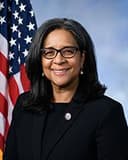
1 + 2
D· Washington
YRS IN OFFICE
5
BILLS LED
28
COSPONSOR BREAKDOWNBIPARTISAN · 0%
DEM 2 REP 0 IND 0
ACTION TIMELINE
4 EVENTSJAN 31
Referred to the Subcommittee on Highways and Transit.
JAN 30
Introduced in House
JAN 30
Referred to the House Committee on Transportation and Infrastructure.
JAN 30
Referred to the House Committee on Transportation and Infrastructure.
BILL INFO
TypeHouse Bill
NumberHR 7301
Congress119th
StatusIn Committee
IntroducedJan 30, 2026
Last actionJan 31, 2026
READER REACTIONS
OVERALL SENTIMENT
No reactions yet. Be the first to weigh in.
Discussion
Loading comments...
IN COMMITTEE· 119TH CONGRESS · TRANSPORTATION AND INFRASTRUCTURE COMMITTEE · INTRODUCED JAN 30, 2026
House BillHR 7301Transportation and Public Works
Maximizing Transportation Efficiency Act
INTRODUCED JAN 30, 2026· LAST ACTION JAN 31, 2026
PASSAGE CHANCES
—%
READING
8 min
COSPONSORS
2
COMPLEXITY
Moderate