Bills · HR 7278
IN COMMITTEE· 119TH CONGRESS
House BillHR 7278Crime and Law Enforcement
Cost of Police Misconduct Act of 2026
INTRO JAN 30· LAST ACTION JAN 30
READING
13MIN
COSPONSORS
2
READER REACTIONS0 TOTAL
NO VOTES YET · BE THE FIRST
- Introduced only
LEGISLATIVE PROGRESS
STEP 2 / 8Introduced
In Committee
Reported
Passed House
Passed Senate
Conference
To President
Became Law
WHAT THE BILL DOES
AI-writtenVoters should care about this bill because it aims to shed light on the financial costs associated with police misconduct across the country. Currently, information about settlements and judgments against law enforcement agencies is often scattered, inconsistent, or not easily accessible. If this bill becomes law, it would create a centralized system for tracking these payouts, providing a clearer understanding of how taxpayer dollars are spent on such incidents.
This increased transparency could help identify patterns of misconduct, inform policy decisions regarding police training and accountability, and potentially reduce future liabilities. Without this bill, the public and policymakers would continue to lack comprehensive data on the scope and financial impact of police misconduct, making it harder to address underlying issues or hold agencies accountable for repeated problems.
KEY PROVISIONS
4AI-extractedPROVISION 01
Requires Federal law enforcement agencies to collect and report detailed information to the Attorney General about all judgments and settlements related to allegations of officer misconduct.
This provision creates a standardized system for tracking the financial and incident-specific details of misconduct claims at the federal level.
PROVISION 02
Mandates that relevant State and local law enforcement agencies receiving Byrne JAG program funds also collect and report similar misconduct data to the Attorney General.
This expands the scope of data collection beyond federal agencies, aiming for a more comprehensive national overview of police misconduct costs.
PROVISION 03
Specifies the types of information to be collected for each judgment or settlement, including the race, ethnicity, sex, and age of those involved (if known), the nature of the allegation, and the total amount paid.
Collecting specific details allows for deeper analysis into the causes, impacts, and financial burden of different types of misconduct.
PROVISION 04
Requires the Attorney General to identify all Federal law enforcement agencies and publicly publish this list on the Department of Justice website.
This ensures transparency regarding which federal agencies are subject to the reporting requirements and makes it easier to track compliance.
SPONSORSHIP
1 + 2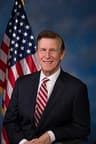
D· Virginia
YRS IN OFFICE
11
BILLS LED
63
COSPONSOR BREAKDOWNBIPARTISAN · 0%
DEM 2 REP 0 IND 0
ACTION TIMELINE
2 EVENTSJAN 30
Introduced in House
JAN 30
Referred to the House Committee on the Judiciary.
BILL INFO
TypeHouse Bill
NumberHR 7278
Congress119th
StatusIn Committee
IntroducedJan 30, 2026
Last actionJan 30, 2026
READER REACTIONS
OVERALL SENTIMENT
No reactions yet. Be the first to weigh in.
Discussion
Loading comments...
IN COMMITTEE· 119TH CONGRESS · JUDICIARY COMMITTEE · INTRODUCED JAN 30, 2026
House BillHR 7278Crime and Law Enforcement
Cost of Police Misconduct Act of 2026
INTRODUCED JAN 30, 2026· LAST ACTION JAN 30, 2026
PASSAGE CHANCES
—%
READING
13 min
COSPONSORS
2
COMPLEXITY
Moderate