Bills · HR 7234
IN COMMITTEE· 119TH CONGRESS
House BillHR 7234Crime and Law Enforcement
Human Trafficking Awareness Training Recognition Act of 2026
INTRO JAN 22· LAST ACTION JAN 23
READING
5MIN
COSPONSORS
4BIPARTISAN
READER REACTIONS0 TOTAL
NO VOTES YET · BE THE FIRST
- Introduced only
LEGISLATIVE PROGRESS
STEP 2 / 8Introduced
In Committee
Reported
Passed House
Passed Senate
Conference
To President
Became Law
WHAT THE BILL DOES
AI-writtenThis bill matters because it aims to increase awareness and vigilance against human trafficking, a serious crime that often goes unnoticed. By encouraging businesses in high-risk sectors (like transportation, hospitality, or others where victims might be seen) to train their staff, it creates more eyes and ears on the ground.
If this bill becomes law, it could lead to more victims being identified and rescued, as more people in the public will be equipped to recognize the signs of trafficking. For businesses, displaying this certification could enhance their reputation and demonstrate corporate responsibility. If it doesn't become law, the current level of voluntary training and awareness in these specific industries might remain unchanged, potentially missing opportunities to combat human trafficking.
KEY PROVISIONS
5AI-extractedPROVISION 01
Establishes a Blue Campaign Certification Program within the Department of Homeland Security.
This creates a formal government program to encourage and recognize private sector efforts against human trafficking.
PROVISION 02
Directs the Secretary of Homeland Security to solicit and review applications annually from employers in 'covered industries' for certification.
This sets up the practical mechanism for businesses to participate and receive recognition for their training efforts.
PROVISION 03
Authorizes the Secretary to charge a reasonable fee for applications to cover the costs of running the certification program.
This aims to make the program self-sustaining, reducing the need for direct taxpayer funding for its administration.
PROVISION 04
Requires the Secretary to submit annual reports to Congress on the program's effectiveness, including application numbers and costs.
This ensures transparency and accountability for the program's operations and allows Congress to oversee its progress.
PROVISION 05
Prohibits employers from falsely displaying the Blue Campaign Certification of Completion.
This provision protects the integrity of the certification, ensuring that only eligible and compliant businesses can claim recognition.
SPONSORSHIP
1 + 4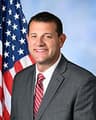
R· California
YRS IN OFFICE
13
BILLS LED
36
COSPONSOR BREAKDOWNBIPARTISAN · 50%
DEM 3 REP 1 IND 0
ACTION TIMELINE
4 EVENTSJAN 23
Referred to the Subcommittee on Border Security and Enforcement.
JAN 22
Introduced in House
JAN 22
Referred to the Committee on the Judiciary, and in addition to the Committee on Homeland Security, for a period to be subsequently determined by the Speaker, in each case for consideration of such provisions as fall within the jurisdiction of the committee concerned.
JAN 22
Referred to the Committee on the Judiciary, and in addition to the Committee on Homeland Security, for a period to be subsequently determined by the Speaker, in each case for consideration of such provisions as fall within the jurisdiction of the committee concerned.
BILL INFO
TypeHouse Bill
NumberHR 7234
Congress119th
StatusIn Committee
IntroducedJan 22, 2026
Last actionJan 23, 2026
READER REACTIONS
OVERALL SENTIMENT
No reactions yet. Be the first to weigh in.
Discussion
Loading comments...
IN COMMITTEE· 119TH CONGRESS · HOMELAND SECURITY COMMITTEE · INTRODUCED JAN 22, 2026
House BillHR 7234Crime and Law Enforcement
Human Trafficking Awareness Training Recognition Act of 2026
INTRODUCED JAN 22, 2026· LAST ACTION JAN 23, 2026
PASSAGE CHANCES
—%
READING
5 min
COSPONSORS
4
COMPLEXITY
Moderate