Bills · HR 7198
IN COMMITTEE· 119TH CONGRESS
House BillHR 7198Health
Ensuring Access to General Surgery Act of 2026
INTRO JAN 22· LAST ACTION JAN 22
READING
6MIN
COSPONSORS
9
READER REACTIONS0 TOTAL
NO VOTES YET · BE THE FIRST
- Introduced only
LEGISLATIVE PROGRESS
STEP 2 / 8Introduced
In Committee
Reported
Passed House
Passed Senate
Conference
To President
Became Law
WHAT THE BILL DOES
AI-writtenVoters should care about this bill because access to general surgery is a fundamental healthcare need. Many common procedures, from appendectomies to hernia repairs, rely on general surgeons. If this bill becomes law, it could lead to a more accurate understanding of where general surgeons are desperately needed across the country. Currently, the way shortage areas are defined might not fully capture the lack of surgical care in certain communities, leading to these areas being overlooked for support.
By potentially creating a new, more precise way to identify "general surgery shortage areas," this bill could be the first step toward improving access to vital surgical care. If these areas are clearly identified, it could pave the way for future policies or programs aimed at attracting and retaining general surgeons in those underserved communities, reducing travel burdens, improving health outcomes, and ensuring timely access to necessary operations for millions of Americans. If the bill does not become law, the current methods for identifying shortages may continue to miss crucial gaps in general surgery access, leaving many communities struggling to get the care they need.
KEY PROVISIONS
5AI-extractedPROVISION 01
Requires the Secretary of Health and Human Services to conduct a comprehensive study on existing and potential methods for designating general surgery shortage areas.
This is the core action, aiming to provide a clearer picture of where surgical care is lacking.
PROVISION 02
Mandates the study to analyze a specific methodology for designation, including developing surgery service areas, identifying surgeons, creating surgeon-to-population ratios, and setting thresholds for optimal, adequate, shortage, and critical shortage levels.
Ensures a specific, detailed approach is considered, going beyond simple numbers to include factors like wait times and travel.
PROVISION 03
Directs the Secretary, within one year, to report the study's findings to Congress and to periodically publish data on the availability and need for general surgery services.
Ensures transparency and provides timely information to Congress and the public about the surgical workforce.
PROVISION 04
Authorizes the Secretary, based on the study's findings, to establish (via rulemaking) an official methodology for designating general surgery shortage areas and to then annually designate and publish a list of these areas.
This is the potential outcome that could lead to official recognition and potentially targeted resources for underserved areas.
PROVISION 05
Requires consultation with relevant healthcare stakeholders, including medical societies and patient organizations, during the study and during any subsequent designation process.
Ensures that diverse perspectives and practical insights from those directly involved in surgical care and patient advocacy are considered.
SPONSORSHIP
1 + 9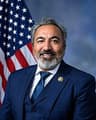
D· California
YRS IN OFFICE
13
BILLS LED
26
COSPONSOR BREAKDOWNBIPARTISAN · 44%
DEM 7 REP 2 IND 0
ACTION TIMELINE
2 EVENTSJAN 22
Introduced in House
JAN 22
Referred to the House Committee on Energy and Commerce.
BILL INFO
TypeHouse Bill
NumberHR 7198
Congress119th
StatusIn Committee
IntroducedJan 22, 2026
Last actionJan 22, 2026
READER REACTIONS
OVERALL SENTIMENT
No reactions yet. Be the first to weigh in.
Discussion
Loading comments...
IN COMMITTEE· 119TH CONGRESS · ENERGY AND COMMERCE COMMITTEE · INTRODUCED JAN 22, 2026
House BillHR 7198Health
Ensuring Access to General Surgery Act of 2026
INTRODUCED JAN 22, 2026· LAST ACTION JAN 22, 2026
PASSAGE CHANCES
—%
READING
6 min
COSPONSORS
9
COMPLEXITY
Moderate