Bills · HR 7162
IN COMMITTEE· 119TH CONGRESS
House BillHR 7162Congress
To amend title 40, United States Code, to permit commercial filmmaking and photography on the United States Capitol grounds, and for other purposes.
INTRO JAN 20· LAST ACTION JAN 21
READING
3MIN
COSPONSORS
0
READER REACTIONS0 TOTAL
NO VOTES YET · BE THE FIRST
- Introduced only
LEGISLATIVE PROGRESS
STEP 2 / 8Introduced
In Committee
Reported
Passed House
Passed Senate
Conference
To President
Became Law
WHAT THE BILL DOES
AI-writtenThis bill matters because it would change how a significant public and symbolic space, the U.S. Capitol grounds, can be used. Currently, commercial filming and photography are restricted, limiting its use as a backdrop for various media productions. If this bill becomes law, it could make the Capitol grounds a more accessible and iconic location for films, advertisements, and other commercial visual content, similar to how other national landmarks are used.
Voters should care because it represents a policy choice about the balance between preserving the solemnity and function of a government building and allowing broader public and commercial use of its surrounding grounds. It could also generate some revenue, through permit fees, for the Capitol Trust Account to help offset maintenance costs, rather than relying solely on taxpayer funds for such expenses.
KEY PROVISIONS
4AI-extractedPROVISION 01
Establishes a permit system allowing the Chief of the U.S. Capitol Police to authorize commercial filmmaking and photography on the Capitol Grounds.
This provision creates the legal pathway for previously restricted commercial visual media production at a high-profile location.
PROVISION 02
Restricts permitted activities to outdoor Capitol Grounds, excluding Capitol Buildings, and only when neither House of Congress is in session.
This ensures that commercial activities do not disrupt legislative work or interfere with the interior operations of government.
PROVISION 03
Allows the Chief to charge appropriate fees to cover costs incurred by the Architect of the Capitol, with fees and activities modeled on past Union Square rules.
This provision aims to make the permitting process cost-neutral for taxpayers and provides a framework for consistent fee and activity guidelines.
PROVISION 04
Mandates that collected fees be transferred to the Capitol Trust Account.
This ensures that any revenue generated from these permits is used for the maintenance and operations related to the Capitol complex.
SPONSORSHIP
1 + 0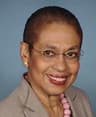
D· District of Columbia
YRS IN OFFICE
35
BILLS LED
114
ACTION TIMELINE
5 EVENTSJAN 21
Referred to the Subcommittee on Economic Development, Public Buildings, and Emergency Management.
JAN 20
Sponsor introductory remarks on measure. (CR E55)
JAN 20
Introduced in House
JAN 20
Referred to the House Committee on Transportation and Infrastructure.
BILL INFO
TypeHouse Bill
NumberHR 7162
Congress119th
StatusIn Committee
IntroducedJan 20, 2026
Last actionJan 21, 2026
READER REACTIONS
OVERALL SENTIMENT
No reactions yet. Be the first to weigh in.
Discussion
Loading comments...
IN COMMITTEE· 119TH CONGRESS · TRANSPORTATION AND INFRASTRUCTURE COMMITTEE · INTRODUCED JAN 20, 2026
House BillHR 7162Congress
To amend title 40, United States Code, to permit commercial filmmaking and photography on the United States Capitol grounds, and for other purposes.
INTRODUCED JAN 20, 2026· LAST ACTION JAN 21, 2026
PASSAGE CHANCES
—%
READING
3 min
COSPONSORS
0
COMPLEXITY
Moderate