Bills · HR 711
IN COMMITTEE· 119TH CONGRESS
House BillHR 711Civil actions and liabilityState and local government operations
FAIR Act of 2025
INTRO JAN 23· LAST ACTION JAN 23
READING
4MIN
COSPONSORS
9
READER REACTIONS0 TOTAL
NO VOTES YET · BE THE FIRST
- Introduced only
LEGISLATIVE PROGRESS
STEP 2 / 8Introduced
In Committee
Reported
Passed House
Passed Senate
Conference
To President
Became Law
WHAT THE BILL DOES
AI-writtenThis bill matters because it would significantly change how the federal government and entities receiving federal funds approach policies related to race, color, and national origin. If passed, it would explicitly prohibit what it defines as "preferential treatment," which includes practices like quotas, set-asides, or numerical goals that aim to increase representation for certain groups.
Voters should care because this could alter programs designed to promote diversity or address historical inequalities. It would mean that any policy at the federal level, or by entities receiving federal aid, that seeks to grant an advantage based on race, color, or national origin would be illegal. If the bill does not pass, existing policies and practices that involve such considerations would generally remain in place, subject to current laws and court rulings.
KEY PROVISIONS
5AI-extractedPROVISION 01
Prohibits the Federal Government from intentionally discriminating against or granting a preference to any person or group based on race, color, or national origin in federal contracts, employment, or programs.
This provision aims to ensure all federal actions are race-neutral, preventing both discrimination and policies that give advantages based on race.
PROVISION 02
Forbids State or private entities receiving Federal financial assistance from discriminating or granting preferences based on race, color, or national origin in their contracts, employment, or educational admissions.
This extends the bill's principles beyond direct federal actions to a wide range of organizations and institutions that receive federal funding.
PROVISION 03
Defines 'preference' as an advantage of any kind, specifically including quotas, set-asides, numerical goals, timetables, or other numerical objectives.
This explicit definition clarifies which types of policies and practices are targeted for prohibition under the bill.
PROVISION 04
Requires federal departments and agencies to review all existing policies and regulations within 6 months of enactment, modify them to conform to the new requirements, and report these changes to Congress.
This ensures active and timely implementation of the bill's prohibitions across the federal government.
PROVISION 05
Allows individuals harmed by violations to file civil lawsuits to seek relief, including back pay, and be awarded attorney's fees if they win.
This provides a clear path for enforcement and compensation for individuals affected by prohibited actions.
SPONSORSHIP
1 + 9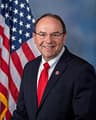
R· Wisconsin
YRS IN OFFICE
6
BILLS LED
17
COSPONSOR BREAKDOWNBIPARTISAN · 0%
DEM 0 REP 9 IND 0
ACTION TIMELINE
2 EVENTSJAN 23
Introduced in House
JAN 23
Referred to the Committee on the Judiciary, and in addition to the Committees on Oversight and Government Reform, Education and Workforce, and House Administration, for a period to be subsequently determined by the Speaker, in each case for consideration of such provisions as fall within the jurisdiction of the committee concerned.
BILL INFO
TypeHouse Bill
NumberHR 711
Congress119th
StatusIn Committee
IntroducedJan 23, 2025
Last actionJan 23, 2025
READER REACTIONS
OVERALL SENTIMENT
No reactions yet. Be the first to weigh in.
Discussion
Loading comments...
IN COMMITTEE· 119TH CONGRESS · OVERSIGHT AND GOVERNMENT REFORM COMMITTEE · INTRODUCED JAN 23, 2025
House BillHR 711Civil actions and liabilityState and local government operations
FAIR Act of 2025
INTRODUCED JAN 23, 2025· LAST ACTION JAN 23, 2025
PASSAGE CHANCES
—%
READING
4 min
COSPONSORS
9
COMPLEXITY
Moderate