Bills · HR 7038
IN COMMITTEE· 119TH CONGRESS
House BillHR 7038International Affairs
Protecting Taxpayers from Risky Investments in Venezuela Act
INTRO JAN 13· LAST ACTION JAN 13
READING
2MIN
COSPONSORS
22
READER REACTIONS0 TOTAL
NO VOTES YET · BE THE FIRST
- Introduced only
LEGISLATIVE PROGRESS
STEP 2 / 8Introduced
In Committee
Reported
Passed House
Passed Senate
Conference
To President
Became Law
WHAT THE BILL DOES
AI-writtenThis bill matters to voters because it directly addresses how their tax dollars are used in foreign policy, specifically regarding a nation, Venezuela, that faces significant political and economic instability. If this bill becomes law, it ensures that the U.S. government cannot use federal funds to prop up Venezuela's oil industry, which could be seen as either a prudent financial measure to protect taxpayer money from risky investments or as limiting potential avenues for future diplomatic engagement or influence. If the bill doesn't become law, the U.S. government would retain the flexibility to support Venezuela's oil sector, either directly or indirectly, through various financial mechanisms, which could be used to further U.S. energy interests, support a future transitional government, or aid in economic stabilization, depending on evolving geopolitical circumstances.
KEY PROVISIONS
4AI-extractedPROVISION 01
Prohibits any U.S. government funds from being used to finance, subsidize, insure, guarantee, or otherwise support Venezuela's oil infrastructure or petroleum sector.
This is the core action of the bill, directly blocking financial and logistical support from the U.S. government to Venezuela's oil industry.
PROVISION 02
Specifically lists various forms of prohibited support, including construction, land purchases, insurance, loan guarantees, tax incentives, and advocacy by U.S. government officials.
This details the broad scope of the prohibition, ensuring that many types of direct and indirect support are covered.
PROVISION 03
Allows an exception if a separate Act of Congress explicitly authorizes an expenditure after this bill's enactment.
This provides a mechanism for future Congresses to override the prohibition if circumstances or policy priorities change.
PROVISION 04
Requires the Secretary of State to submit an annual report to specific congressional committees describing any related expenditures and certifying compliance with the act.
This provision establishes oversight and accountability to ensure the U.S. government adheres to the funding prohibition.
SPONSORSHIP
1 + 22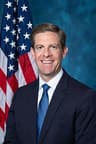
D· California
YRS IN OFFICE
7
BILLS LED
25
COSPONSOR BREAKDOWNBIPARTISAN · 0%
DEM 22 REP 0 IND 0
ACTION TIMELINE
2 EVENTSJAN 13
Introduced in House
JAN 13
Referred to the House Committee on Foreign Affairs.
BILL INFO
TypeHouse Bill
NumberHR 7038
Congress119th
StatusIn Committee
IntroducedJan 13, 2026
Last actionJan 13, 2026
READER REACTIONS
OVERALL SENTIMENT
No reactions yet. Be the first to weigh in.
Discussion
Loading comments...
IN COMMITTEE· 119TH CONGRESS · FOREIGN AFFAIRS COMMITTEE · INTRODUCED JAN 13, 2026
House BillHR 7038International Affairs
Protecting Taxpayers from Risky Investments in Venezuela Act
INTRODUCED JAN 13, 2026· LAST ACTION JAN 13, 2026
PASSAGE CHANCES
—%
READING
2 min
COSPONSORS
22
COMPLEXITY
Moderate