Bills · HR 7004
IN COMMITTEE· 119TH CONGRESS
House BillHR 7004Government Operations and Politics
Public Integrity in Financial Prediction Markets Act of 2026
INTRO JAN 9· LAST ACTION JAN 9
READING
2MIN
COSPONSORS
45
READER REACTIONS0 TOTAL
NO VOTES YET · BE THE FIRST
- Introduced only
LEGISLATIVE PROGRESS
STEP 2 / 8Introduced
In Committee
Reported
Passed House
Passed Senate
Conference
To President
Became Law
WHAT THE BILL DOES
AI-writtenVoters should care about this bill because it aims to reinforce public trust in government and prevent perceived or actual conflicts of interest. When government officials and employees have access to privileged information about upcoming policies, decisions, or political events, there's a risk they could use that knowledge for personal financial gain in prediction markets. This erodes the public's confidence that decisions are made for the common good, not for private profit.
If this bill becomes law, it would create a clear legal barrier against such activities, potentially enhancing transparency and fairness. If it doesn't become law, the current situation would continue, leaving open the possibility of government insiders making money from information not available to the general public, which could further fuel cynicism about government integrity.
KEY PROVISIONS
4AI-extractedPROVISION 01
It prohibits federal elected officials, their staff, political appointees, and federal agency employees from trading in prediction market contracts related to government policy, action, or political outcomes.
This is the central purpose of the bill, aiming to prevent insider trading by government personnel in a specific type of financial market.
PROVISION 02
The prohibition applies if the individual possesses or could reasonably obtain "material nonpublic information" relevant to the prediction market contract through their official duties.
This broadens the scope of what constitutes an unfair advantage, covering not just directly held secrets but also information easily accessible due to one's position.
PROVISION 03
It specifically defines "prediction market contracts" as financial instruments tied to future events and traded on platforms in interstate commerce, clarifying the types of transactions covered.
This ensures the law targets a particular type of speculative financial activity rather than broader investment categories.
PROVISION 04
The bill defines "covered individual" to include a wide range of federal government personnel, from elected officials to agency employees.
This ensures the prohibition applies broadly across the federal government, covering individuals who might have access to sensitive information.
SPONSORSHIP
1 + 45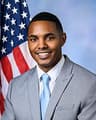
D· New York
YRS IN OFFICE
5
BILLS LED
52
COSPONSOR BREAKDOWNBIPARTISAN · 0%
DEM 45 REP 0 IND 0
ACTION TIMELINE
2 EVENTSJAN 9
Introduced in House
JAN 9
Referred to the Committee on Oversight and Government Reform, and in addition to the Committee on House Administration, for a period to be subsequently determined by the Speaker, in each case for consideration of such provisions as fall within the jurisdiction of the committee concerned.
BILL INFO
TypeHouse Bill
NumberHR 7004
Congress119th
StatusIn Committee
IntroducedJan 9, 2026
Last actionJan 9, 2026
READER REACTIONS
OVERALL SENTIMENT
No reactions yet. Be the first to weigh in.
Discussion
Loading comments...
IN COMMITTEE· 119TH CONGRESS · OVERSIGHT AND GOVERNMENT REFORM COMMITTEE · INTRODUCED JAN 9, 2026
House BillHR 7004Government Operations and Politics
Public Integrity in Financial Prediction Markets Act of 2026
INTRODUCED JAN 9, 2026· LAST ACTION JAN 9, 2026
PASSAGE CHANCES
—%
READING
2 min
COSPONSORS
45
COMPLEXITY
Moderate