Bills · HR 6887
IN COMMITTEE· 119TH CONGRESS
House BillHR 6887Crime and Law Enforcement
Stop Crimes Against Children Act
INTRO DEC 18· LAST ACTION DEC 18
READING
1MIN
COSPONSORS
2
READER REACTIONS0 TOTAL
NO VOTES YET · BE THE FIRST
- Introduced only
LEGISLATIVE PROGRESS
STEP 2 / 8Introduced
In Committee
Reported
Passed House
Passed Senate
Conference
To President
Became Law
WHAT THE BILL DOES
AI-writtenVoters should care about this bill because it aims to strengthen the national effort to protect children from serious harm, including physical and sexual abuse, abduction, exploitation, and trafficking. If this bill becomes law, the federal government's main strategy for combating these crimes would become more comprehensive, drawing on the expertise of a wider range of partners like universities and victim support groups. This means the tactics and guidance provided to law enforcement and other responders would be more informed by research and direct experience, potentially leading to more effective prevention and better support for child victims.
Without this bill, the existing national strategy would not be required to include these specific coordination plans or updated recommendations informed by broader partnerships. This could mean that some of the best practices developed by nonprofits or universities might not be consistently integrated into the national approach, and law enforcement agencies might not receive the most current, evidence-based guidance. Therefore, passing this bill could lead to a more unified, better-informed, and ultimately more effective national response to crimes against children, potentially reducing harm and improving outcomes for child victims.
KEY PROVISIONS
4AI-extractedPROVISION 01
The bill amends the PROTECT Our Children Act of 2008 to include new requirements for the "National Strategy for Child Exploitation Prevention and Interdiction."
This means the existing national plan to combat child exploitation will be updated to incorporate new, specific directives.
PROVISION 02
The national strategy must include plans for coordinating with nonprofit organizations and universities on best practices for preventing, identifying, and responding to child crimes.
This provision aims to leverage external expertise and resources from specialized organizations to improve federal efforts against child crimes.
PROVISION 03
The strategy must provide evidence-based guidance on how to best support children who are victims of crimes, developed in collaboration with relevant non-profits and universities.
This ensures that victim support efforts are informed by research and practical experience, enhancing the well-being of child survivors.
PROVISION 04
The national strategy must include recommendations for federal, state, local, and tribal law enforcement agencies regarding best practices for prevention, identification, response, and victim support.
This aims to standardize and improve law enforcement's approach to child crimes across all levels of government.
SPONSORSHIP
1 + 2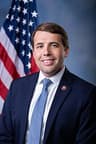
D· New Hampshire
YRS IN OFFICE
7
BILLS LED
59
COSPONSOR BREAKDOWNBIPARTISAN · 0%
DEM 0 REP 2 IND 0
ACTION TIMELINE
2 EVENTSDEC 18
Introduced in House
DEC 18
Referred to the House Committee on the Judiciary.
BILL INFO
TypeHouse Bill
NumberHR 6887
Congress119th
StatusIn Committee
IntroducedDec 18, 2025
Last actionDec 18, 2025
READER REACTIONS
OVERALL SENTIMENT
No reactions yet. Be the first to weigh in.
Discussion
Loading comments...
IN COMMITTEE· 119TH CONGRESS · JUDICIARY COMMITTEE · INTRODUCED DEC 18, 2025
House BillHR 6887Crime and Law Enforcement
Stop Crimes Against Children Act
INTRODUCED DEC 18, 2025· LAST ACTION DEC 18, 2025
PASSAGE CHANCES
—%
READING
1 min
COSPONSORS
2
COMPLEXITY
Moderate