Bills · HR 6862
IN COMMITTEE· 119TH CONGRESS
House BillHR 6862Education
Protecting Health Care Workforce Pipelines Act
INTRO DEC 18· LAST ACTION DEC 18
READING
2MIN
COSPONSORS
0
READER REACTIONS0 TOTAL
NO VOTES YET · BE THE FIRST
- Introduced only
LEGISLATIVE PROGRESS
STEP 2 / 8Introduced
In Committee
Reported
Passed House
Passed Senate
Conference
To President
Became Law
WHAT THE BILL DOES
AI-writtenVoters should care about this bill because it directly impacts the pipeline of future healthcare workers, particularly those who might work in underserved communities. By delaying stricter rules on federal student loans, the bill could make it easier for more students to afford advanced degrees in health fields, potentially leading to an increase in the number of healthcare professionals available to serve communities with critical needs.
If this bill becomes law, it could help maintain and even strengthen the healthcare workforce by ensuring financial support for students in these vital programs. If the bill does not pass, the existing law would take effect on July 1, 2026, potentially making it harder for graduate and professional students in health programs to finance their education due to new borrowing limits or reduced loan access, which could worsen healthcare workforce shortages.
KEY PROVISIONS
3AI-extractedPROVISION 01
Delays the termination of authority to award Federal Direct PLUS loans for certain graduate and professional students from July 1, 2026, to July 1, 2030.
This gives eligible health professional students four additional years to access these federal loans for their education.
PROVISION 02
Postpones the implementation of new borrowing limits on certain loans for these same graduate and professional students, also from July 1, 2026, to July 1, 2030.
This ensures eligible health professional students can borrow up to current limits for longer, potentially easing financial burdens for their education.
PROVISION 03
Defines "covered institutions" as health professions schools or institutions offering health professions or nursing programs that are located within 100 miles of a health professional shortage area or a medically underserved community.
This specifies which educational programs and students would benefit from the delayed loan changes, targeting areas with a high need for healthcare workers.
SPONSORSHIP
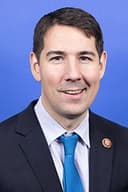
1 + 0
D· California
YRS IN OFFICE
7
BILLS LED
44
ACTION TIMELINE
2 EVENTSDEC 18
Introduced in House
DEC 18
Referred to the House Committee on Education and Workforce.
BILL INFO
TypeHouse Bill
NumberHR 6862
Congress119th
StatusIn Committee
IntroducedDec 18, 2025
Last actionDec 18, 2025
READER REACTIONS
OVERALL SENTIMENT
No reactions yet. Be the first to weigh in.
Discussion
Loading comments...
IN COMMITTEE· 119TH CONGRESS · EDUCATION AND WORKFORCE COMMITTEE · INTRODUCED DEC 18, 2025
House BillHR 6862Education
Protecting Health Care Workforce Pipelines Act
INTRODUCED DEC 18, 2025· LAST ACTION DEC 18, 2025
PASSAGE CHANCES
—%
READING
2 min
COSPONSORS
0
COMPLEXITY
Moderate