Bills · HR 6816
IN COMMITTEE· 119TH CONGRESS
House BillHR 6816Law
Shadow Docket Sunlight Act of 2025
INTRO DEC 17· LAST ACTION DEC 17
READING
5MIN
COSPONSORS
5
READER REACTIONS0 TOTAL
NO VOTES YET · BE THE FIRST
- Introduced only
LEGISLATIVE PROGRESS
STEP 2 / 8Introduced
In Committee
Reported
Passed House
Passed Senate
Conference
To President
Became Law
WHAT THE BILL DOES
AI-writtenThis bill matters because it addresses concerns about the Supreme Court's "shadow docket"—a term for the urgent, often highly consequential decisions the Court makes without full arguments, published opinions, or recorded dissents. Currently, these decisions can have immediate, broad impacts on major issues like abortion access, immigration policy, or election rules, but are often issued as brief orders without detailed explanations or individual votes.
If this bill becomes law, voters would get to see why the Court makes these quick decisions and how each justice voted, which is not always the case now. This transparency could make the Court more accountable and help the public understand the legal basis for rulings that affect their daily lives, offering a clearer picture of judicial reasoning in urgent situations.
KEY PROVISIONS
5AI-extractedPROVISION 01
Requires the Supreme Court to publish a written explanation for any order granting, denying, or vacating preliminary injunctive relief or a stay of such relief in appellate cases.
This ensures that the Court provides its reasoning for urgent decisions that often have immediate, significant societal impact.
PROVISION 02
Mandates that the Supreme Court disclose how each participating justice voted on these orders.
This increases accountability by showing individual justices' positions on key, often controversial, quick decisions.
PROVISION 03
Specifies criteria that the written explanations must evaluate, such as the likelihood of success on the merits and whether the public interest is served.
This ensures a consistent and thorough justification for these specific types of decisions, aligning with existing legal standards.
PROVISION 04
Exempts administrative, scheduling orders, and petitions for certiorari (unless they involve preliminary injunctive relief or stays) from these requirements.
This focuses the transparency requirements on substantive, impactful decisions rather than routine court processes.
PROVISION 05
Requires the Director of the Federal Judicial Center to report to Congress every two years on compliance with these requirements and offer improvement recommendations.
This creates an oversight mechanism to ensure the Supreme Court adheres to the new transparency rules.
SPONSORSHIP
1 + 5
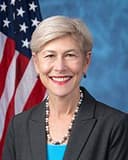
D· North Carolina
YRS IN OFFICE
5
BILLS LED
35
COSPONSOR BREAKDOWNBIPARTISAN · 0%
DEM 5 REP 0 IND 0
ACTION TIMELINE
2 EVENTSDEC 17
Introduced in House
DEC 17
Referred to the House Committee on the Judiciary.
BILL INFO
TypeHouse Bill
NumberHR 6816
Congress119th
StatusIn Committee
IntroducedDec 17, 2025
Last actionDec 17, 2025
READER REACTIONS
OVERALL SENTIMENT
No reactions yet. Be the first to weigh in.
Discussion
Loading comments...
IN COMMITTEE· 119TH CONGRESS · JUDICIARY COMMITTEE · INTRODUCED DEC 17, 2025
House BillHR 6816Law
Shadow Docket Sunlight Act of 2025
INTRODUCED DEC 17, 2025· LAST ACTION DEC 17, 2025
PASSAGE CHANCES
—%
READING
5 min
COSPONSORS
5
COMPLEXITY
Moderate