Bills · HR 6806
IN COMMITTEE· 119TH CONGRESS
House BillHR 6806Civil Rights and Liberties, Minority Issues
Antisemitism Response and Prevention Act of 2025
INTRO DEC 17· LAST ACTION DEC 17
READING
27MIN
COSPONSORS
30
READER REACTIONS0 TOTAL
NO VOTES YET · BE THE FIRST
- Introduced only
LEGISLATIVE PROGRESS
STEP 2 / 8Introduced
In Committee
Reported
Passed House
Passed Senate
Conference
To President
Became Law
WHAT THE BILL DOES
AI-writtenVoters should care about this bill because it addresses a serious and documented rise in antisemitism and hate crimes across the United States. If passed, it would establish a dedicated federal office to coordinate the nation's response to this issue, which could lead to more organized and potentially more effective efforts to protect Jewish communities.
Furthermore, the bill raises important questions about the balance between combating hate and protecting fundamental rights like free speech and academic freedom. It suggests a new approach to these issues compared to what it describes as past problematic government actions. If it becomes law, it could influence how antisemitism is defined and addressed by the government, potentially impacting how universities operate and how activism is treated, particularly in situations involving criticism of Israeli policies.
KEY PROVISIONS
4AI-extractedPROVISION 01
Establishes the Office of the National Coordinator to Counter Antisemitism within the Department of Justice.
This creates a new, dedicated federal entity specifically focused on coordinating the national effort against antisemitism.
PROVISION 02
Acknowledges that antisemitic incidents in the United States have reached historic levels, with significant increases documented by the FBI and other organizations.
This provision grounds the bill in current events and the urgent need to address rising hate crimes targeting Jewish communities.
PROVISION 03
Critiques past government actions, alleging the 'weaponization' of antisemitism accusations to pursue political objectives, suppress speech, and undermine academic freedom.
This sets a framework for how the new office is expected to operate, implying it will adopt an approach that respects civil liberties and academic inquiry.
PROVISION 04
Highlights concerns about the inappropriate application of the International Holocaust Remembrance Alliance (IHRA) definition of antisemitism in punitive legal and immigration contexts.
This suggests the new office would aim for a more nuanced and appropriate application of antisemitism definitions, particularly concerning free expression.
SPONSORSHIP
1 + 30
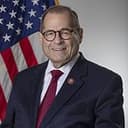
D· New York
YRS IN OFFICE
33
BILLS LED
15
COSPONSOR BREAKDOWNBIPARTISAN · 0%
DEM 30 REP 0 IND 0
ACTION TIMELINE
2 EVENTSDEC 17
Introduced in House
DEC 17
Referred to the Committee on the Judiciary, and in addition to the Committees on Education and Workforce, Homeland Security, and Transportation and Infrastructure, for a period to be subsequently determined by the Speaker, in each case for consideration of such provisions as fall within the jurisdiction of the committee concerned.
BILL INFO
TypeHouse Bill
NumberHR 6806
Congress119th
StatusIn Committee
IntroducedDec 17, 2025
Last actionDec 17, 2025
READER REACTIONS
OVERALL SENTIMENT
No reactions yet. Be the first to weigh in.
Discussion
Loading comments...
IN COMMITTEE· 119TH CONGRESS · HOMELAND SECURITY COMMITTEE · INTRODUCED DEC 17, 2025
House BillHR 6806Civil Rights and Liberties, Minority Issues
Antisemitism Response and Prevention Act of 2025
INTRODUCED DEC 17, 2025· LAST ACTION DEC 17, 2025
PASSAGE CHANCES
—%
READING
27 min
COSPONSORS
30
COMPLEXITY
Moderate