Bills · HR 6705
IN COMMITTEE· 119TH CONGRESS
House BillHR 6705Finance and Financial Sector
Stopping Bonuses for Unsafe and Unsound Banking Act
INTRO DEC 15· LAST ACTION DEC 15
READING
2MIN
COSPONSORS
0
READER REACTIONS0 TOTAL
NO VOTES YET · BE THE FIRST
- Introduced only
LEGISLATIVE PROGRESS
STEP 2 / 8Introduced
In Committee
Reported
Passed House
Passed Senate
Conference
To President
Became Law
WHAT THE BILL DOES
AI-writtenVoters should care about this bill because it aims to increase accountability for top bank executives, especially when their institutions are facing significant regulatory problems. It addresses concerns that executives might receive substantial bonuses even while their banks are engaging in practices deemed "unsafe and unsound" by federal regulators, which could pose risks to the financial system.
If this bill becomes law, it could create a stronger incentive for large banks to quickly fix serious issues identified by regulators, potentially leading to a more stable and safer banking sector. If it doesn't pass, large bank executives could continue to receive discretionary bonuses even when their institutions have outstanding regulatory warnings, potentially reducing the urgency to resolve those issues.
KEY PROVISIONS
3AI-extractedPROVISION 01
Prohibits large banking institutions from paying discretionary bonuses to senior executive officers when a federal banking agency issues a "matter requiring immediate attention."
This directly links executive compensation to the safety and soundness of the bank, aiming to hold leaders accountable for significant problems.
PROVISION 02
Establishes an exception where the bonus freeze does not apply if the bank submits and gets approval for a remediation plan to correct the identified matter by an agency-set deadline.
This incentivizes banks to act quickly and cooperatively with regulators to address issues rather than just waiting for problems to resolve or worsen.
PROVISION 03
Defines "covered banking institution" as banks or bank holding companies with more than $50 billion in consolidated assets.
This provision focuses the bill's impact on larger financial institutions, which are often considered more systemically important.
SPONSORSHIP
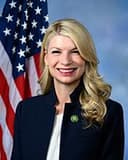
1 + 0
D· Colorado
YRS IN OFFICE
3
BILLS LED
46
ACTION TIMELINE
2 EVENTSDEC 15
Introduced in House
DEC 15
Referred to the House Committee on Financial Services.
BILL INFO
TypeHouse Bill
NumberHR 6705
Congress119th
StatusIn Committee
IntroducedDec 15, 2025
Last actionDec 15, 2025
READER REACTIONS
OVERALL SENTIMENT
No reactions yet. Be the first to weigh in.
Discussion
Loading comments...
IN COMMITTEE· 119TH CONGRESS · FINANCIAL SERVICES COMMITTEE · INTRODUCED DEC 15, 2025
House BillHR 6705Finance and Financial Sector
Stopping Bonuses for Unsafe and Unsound Banking Act
INTRODUCED DEC 15, 2025· LAST ACTION DEC 15, 2025
PASSAGE CHANCES
—%
READING
2 min
COSPONSORS
0
COMPLEXITY
Moderate