Bills · HR 6665
IN COMMITTEE· 119TH CONGRESS
House BillHR 6665Energy
Consolidated Interim Storage Facility Restriction Act of 2025
INTRO DEC 11· LAST ACTION DEC 11
READING
3MIN
COSPONSORS
1
READER REACTIONS0 TOTAL
NO VOTES YET · BE THE FIRST
- Introduced only
LEGISLATIVE PROGRESS
STEP 2 / 8Introduced
In Committee
Reported
Passed House
Passed Senate
Conference
To President
Became Law
WHAT THE BILL DOES
AI-writtenThis bill matters because it fundamentally changes how and where the United States handles its most dangerous nuclear waste. If passed, it would essentially shut down the development and operation of private, stand-alone facilities designed to temporarily hold spent nuclear fuel from multiple power plants. This means the country would rely exclusively on either on-site storage at individual power plants or federally owned facilities for interim and long-term waste management.
Voters should care because this bill touches on critical issues of public safety, environmental protection, and federal responsibility. It reflects a debate over whether private entities should play a role in managing highly radioactive materials, or if such activities should remain strictly under federal control. If it becomes law, it could lead to increased on-site storage at power plants and put more pressure on the federal government to establish a permanent national repository, impacting communities near existing nuclear sites and those along potential transport routes for waste.
KEY PROVISIONS
4AI-extractedPROVISION 01
Prohibits the Nuclear Regulatory Commission (NRC) from issuing new licenses for private, stand-alone interim storage facilities for spent nuclear fuel or high-level radioactive waste.
This stops the creation of new private sites that would collect and store nuclear waste from various power plants.
PROVISION 02
Nullifies all existing NRC licenses for private, stand-alone interim storage facilities for spent nuclear fuel or high-level radioactive waste.
This would immediately shut down or prevent the operation of any such private facilities currently permitted by the NRC.
PROVISION 03
Restricts all interim storage of nuclear waste to either the original power plant's site or a federally owned interim storage facility.
This limits where nuclear waste can be stored temporarily, emphasizing federal or on-site control.
PROVISION 04
Restricts all long-term storage or permanent disposal of nuclear waste to only federally owned repositories.
This ensures that permanent solutions for nuclear waste are exclusively managed by the federal government.
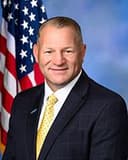
SPONSORSHIP
1 + 1
R· Texas
YRS IN OFFICE
5
BILLS LED
31
COSPONSOR BREAKDOWNBIPARTISAN · 0%
DEM 0 REP 1 IND 0
ACTION TIMELINE
2 EVENTSDEC 11
Introduced in House
DEC 11
Referred to the House Committee on Energy and Commerce.
BILL INFO
TypeHouse Bill
NumberHR 6665
Congress119th
StatusIn Committee
IntroducedDec 11, 2025
Last actionDec 11, 2025
READER REACTIONS
OVERALL SENTIMENT
No reactions yet. Be the first to weigh in.
Discussion
Loading comments...
IN COMMITTEE· 119TH CONGRESS · ENERGY AND COMMERCE COMMITTEE · INTRODUCED DEC 11, 2025
House BillHR 6665Energy
Consolidated Interim Storage Facility Restriction Act of 2025
INTRODUCED DEC 11, 2025· LAST ACTION DEC 11, 2025
PASSAGE CHANCES
—%
READING
3 min
COSPONSORS
1
COMPLEXITY
Moderate