Bills · HR 6606
IN COMMITTEE· 119TH CONGRESS
House BillHR 6606Education
Opportunities for Success Act of 2025
INTRO DEC 11· LAST ACTION DEC 11
READING
35MIN
COSPONSORS
2
READER REACTIONS0 TOTAL
NO VOTES YET · BE THE FIRST
- Introduced only
LEGISLATIVE PROGRESS
STEP 2 / 8Introduced
In Committee
Reported
Passed House
Passed Senate
Conference
To President
Became Law
WHAT THE BILL DOES
AI-writtenThis bill matters because it seeks to make college more affordable and career-relevant for students, especially those who rely on financial aid. By increasing funding for the Federal Work-Study program, more students could gain valuable work experience while earning money to cover educational costs, potentially reducing the need for loans. The expansion of eligible job types means students could find opportunities more closely aligned with their career goals, such as internships or apprenticeships, which are crucial for post-graduation employment.
The new funding formula is also significant because it introduces an element of accountability for colleges. By tying a portion of work-study funds to student success metrics for Pell Grant recipients, the bill aims to incentivize institutions to improve graduation rates and support services for their most financially vulnerable students. If this bill becomes law, it could lead to better outcomes for low-income students and a more skilled workforce. If it doesn't, the current work-study program would continue with its existing funding levels and allocation methods, potentially limiting opportunities for students and maintaining the status quo in terms of institutional accountability.
KEY PROVISIONS
5AI-extractedPROVISION 01
Reauthorizes and significantly increases funding for the Federal Work-Study program, with specific amounts rising from $1.5 billion in fiscal year 2027 to $2.5 billion in fiscal year 2031 and beyond.
This provision ensures the continued operation of the program and dramatically expands its potential reach, making more work-study jobs available to students.
PROVISION 02
Expands the types of activities eligible for Federal Work-Study to include child development and early learning programs (like Head Start) and a broader definition of 'work-based learning,' such as internships and apprenticeships, regardless of whether academic credit is awarded.
This change allows students to pursue a wider range of career-relevant experiences and skill-building opportunities through the program, enhancing their job readiness.
PROVISION 03
Creates a new allocation formula that reserves a portion of Federal Work-Study funds for 'improved institutions'—colleges that demonstrate higher completion rates for Pell Grant recipients, a higher percentage of Pell Grant recipients, and annual increases in their Pell Grant completion rates.
This incentivizes colleges to improve outcomes for their low-income students by rewarding institutions that effectively support their success and completion.
PROVISION 04
Requires the Secretary of Education to publicly report a list of 'improved institutions' receiving additional funds, along with data on their Pell Grant recipient percentages and completion rates, and how these metrics compare over time.
This provision increases transparency and allows the public to see how institutions are performing in supporting their Pell Grant students.
PROVISION 05
Establishes a transition period (fiscal years 2027-2031) for the new allocation formula, where institutions will receive a decreasing percentage of their prior funding or a 'fair share amount,' gradually shifting towards the new performance-based system.
This allows institutions time to adapt to the new funding model, providing a smoother shift while still moving towards incentivizing student success.
SPONSORSHIP
1 + 2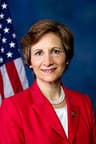
D· Oregon
YRS IN OFFICE
14
BILLS LED
67
COSPONSOR BREAKDOWNBIPARTISAN · 0%
DEM 2 REP 0 IND 0
ACTION TIMELINE
2 EVENTSDEC 11
Introduced in House
DEC 11
Referred to the House Committee on Education and Workforce.
BILL INFO
TypeHouse Bill
NumberHR 6606
Congress119th
StatusIn Committee
IntroducedDec 11, 2025
Last actionDec 11, 2025
READER REACTIONS
OVERALL SENTIMENT
No reactions yet. Be the first to weigh in.
Discussion
Loading comments...
IN COMMITTEE· 119TH CONGRESS · EDUCATION AND WORKFORCE COMMITTEE · INTRODUCED DEC 11, 2025
House BillHR 6606Education
Opportunities for Success Act of 2025
INTRODUCED DEC 11, 2025· LAST ACTION DEC 11, 2025
PASSAGE CHANCES
—%
READING
35 min
COSPONSORS
2
COMPLEXITY
Moderate