Bills · HR 6597
IN COMMITTEE· 119TH CONGRESS
House BillHR 6597Labor and Employment
LET’S Protect Workers Act
INTRO DEC 10· LAST ACTION DEC 10
READING
14MIN
COSPONSORS
80
READER REACTIONS0 TOTAL
NO VOTES YET · BE THE FIRST
- Introduced only
LEGISLATIVE PROGRESS
STEP 2 / 8Introduced
In Committee
Reported
Passed House
Passed Senate
Conference
To President
Became Law
WHAT THE BILL DOES
AI-writtenVoters should care about this bill because it aims to strengthen worker protections across several critical areas, particularly for vulnerable populations like children and farmworkers. If this bill becomes law, employers who violate labor laws would face much steeper financial consequences, which could reduce instances of child labor, improve workplace safety, and ensure workers receive proper wages. This could lead to fewer serious injuries or deaths in dangerous industries like mining, and better working conditions overall.
Without this bill, the current penalty amounts, which have not kept pace with inflation, may not be a strong enough deterrent for some employers to comply with labor laws. By significantly increasing these penalties, the bill seeks to make it far less profitable for businesses to cut corners on safety or illegally exploit workers, ensuring that existing labor laws have real teeth and that workers' rights are more effectively safeguarded.
KEY PROVISIONS
5AI-extractedPROVISION 01
Increases civil penalties for child labor violations to a maximum of $150,000 per employee, and up to $700,000 (potentially doubled) if a child is seriously injured or dies.
This provision aims to create a significant financial deterrent against child labor, especially in cases resulting in harm.
PROVISION 02
Raises civil penalties for wage and hour violations (like minimum wage and overtime) to up to $25,000 per violation, or $50,000 for repeated or willful offenses.
This seeks to ensure employers pay fair wages and overtime by making violations much more costly.
PROVISION 03
Increases civil penalties under the Occupational Safety and Health Act (OSHA) by roughly tenfold, with maximum fines for willful or repeated violations jumping from $70,000 to $800,000.
This provision aims to drastically improve workplace safety by holding employers more accountable for dangerous conditions.
PROVISION 04
Doubles penalties for mine operators with a pattern of safety violations and allows the government to issue a "withdrawal order" (shutting down the mine) if penalties are not paid.
This targets repeat offenders in high-risk mining environments and ensures that fines are actually collected.
PROVISION 05
Increases civil penalties for violations of the Migrant and Seasonal Agricultural Worker Protection Act from $1,000 to $30,000.
This aims to strengthen protections for often vulnerable farmworkers by increasing the cost of non-compliance.
SPONSORSHIP
1 + 80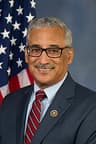
D· Virginia
YRS IN OFFICE
33
BILLS LED
18
COSPONSOR BREAKDOWNBIPARTISAN · 0%
DEM 80 REP 0 IND 0
ACTION TIMELINE
2 EVENTSDEC 10
Introduced in House
DEC 10
Referred to the Committee on Education and Workforce, and in addition to the Committees on Oversight and Government Reform, and House Administration, for a period to be subsequently determined by the Speaker, in each case for consideration of such provisions as fall within the jurisdiction of the committee concerned.
BILL INFO
TypeHouse Bill
NumberHR 6597
Congress119th
StatusIn Committee
IntroducedDec 10, 2025
Last actionDec 10, 2025
READER REACTIONS
OVERALL SENTIMENT
No reactions yet. Be the first to weigh in.
Discussion
Loading comments...
IN COMMITTEE· 119TH CONGRESS · OVERSIGHT AND GOVERNMENT REFORM COMMITTEE · INTRODUCED DEC 10, 2025
House BillHR 6597Labor and Employment
LET’S Protect Workers Act
INTRODUCED DEC 10, 2025· LAST ACTION DEC 10, 2025
PASSAGE CHANCES
—%
READING
14 min
COSPONSORS
80
COMPLEXITY
Moderate