Bills · HR 6547
REPORTED· 119TH CONGRESS
House BillHR 6547User charges and feesCorporate finance and management
Least Cost Exception Act
INTRO DEC 10· LAST ACTION FEB 2
READING
5MIN
COSPONSORS
4BIPARTISAN
READER REACTIONS0 TOTAL
NO VOTES YET · BE THE FIRST
- Reported, not passed
LEGISLATIVE PROGRESS
STEP 3 / 8Introduced
In Committee
Reported
Passed House
Passed Senate
Conference
To President
Became Law
WHAT THE BILL DOES
AI-writtenThis bill matters because it addresses a long-standing concern that the current 'least-cost' rule for resolving bank failures can inadvertently lead to an increasing concentration of power among the largest banks. When a significant bank fails, often only another very large bank has the financial capacity and infrastructure to quickly absorb its operations, making them the 'least-cost' option for the FDIC. This can make big banks even bigger, potentially reducing competition and increasing the 'too big to fail' problem.
If this bill becomes law, the FDIC would have more flexibility to support solutions that strengthen smaller or mid-sized banks, even if those solutions are slightly more expensive in the short term. This could foster a more diverse and competitive banking landscape, which proponents argue can make the financial system more resilient and better serve local communities. If it doesn't pass, the current rule remains, and the trend of consolidation among the largest banks through failure resolution could continue.
KEY PROVISIONS
4AI-extractedPROVISION 01
Allows the Federal Deposit Insurance Corporation (FDIC) to use a resolution method for a failed bank that is not the absolute least costly.
This changes a fundamental rule for how bank failures are handled, giving the FDIC more flexibility than before.
PROVISION 02
This exception can only be used if the additional costs are outweighed by the benefits of limiting further concentration among global systemically important banking organizations (GSIBs).
It establishes a specific public policy goal (preventing too much bank consolidation) as a justification for potentially incurring higher resolution costs.
PROVISION 03
The FDIC must, within one year, create rules to define the maximum allowable additional cost that can be spent using this exception.
This provision ensures that the FDIC's discretion is not unlimited and provides a framework for managing potential increased expenses.
PROVISION 04
Any non-GSIB entity that acquires assets or assumes liabilities under this exception must pay an assessment to the FDIC for at least 5 years to help offset the additional cost.
This helps mitigate the financial impact on the Deposit Insurance Fund when a more expensive, non-GSIB option is chosen.
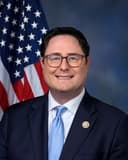
SPONSORSHIP
1 + 4
R· Nebraska
YRS IN OFFICE
4
BILLS LED
30
COSPONSOR BREAKDOWNBIPARTISAN · 100%
DEM 2 REP 2 IND 0
ACTION TIMELINE
7 EVENTSFEB 2
Reported (Amended) by the Committee on Financial Services. H. Rept. 119-474.
FEB 2
Placed on the Union Calendar, Calendar No. 405.
DEC 17
Committee Consideration and Mark-up Session Held
DEC 17
Ordered to be Reported (Amended) by the Yeas and Nays: 50 - 0.
BILL INFO
TypeHouse Bill
NumberHR 6547
Congress119th
StatusReported
IntroducedDec 10, 2025
Last actionFeb 2, 2026
READER REACTIONS
OVERALL SENTIMENT
No reactions yet. Be the first to weigh in.
Discussion
Loading comments...
REPORTED· 119TH CONGRESS · FINANCIAL SERVICES COMMITTEE · INTRODUCED DEC 10, 2025
House BillHR 6547User charges and feesCorporate finance and management
Least Cost Exception Act
INTRODUCED DEC 10, 2025· LAST ACTION FEB 2, 2026
PASSAGE CHANCES
—%
READING
5 min
COSPONSORS
4
COMPLEXITY
Moderate