Bills · HR 6543
IN COMMITTEE· 119TH CONGRESS
House BillHR 6543Social Welfare
Health Care Worker and First Responder Fairness Act
INTRO DEC 9· LAST ACTION DEC 9
READING
3MIN
COSPONSORS
2
READER REACTIONS0 TOTAL
NO VOTES YET · BE THE FIRST
- Introduced only
LEGISLATIVE PROGRESS
STEP 2 / 8Introduced
In Committee
Reported
Passed House
Passed Senate
Conference
To President
Became Law
WHAT THE BILL DOES
AI-writtenThis bill matters because it changes how certain essential workers' earnings are treated by Social Security, particularly during times of national crisis. During the COVID-19 pandemic, many experienced health care professionals and first responders who were nearing retirement or already retired were called upon to continue working. Under current rules, if they hadn't reached their full retirement age, their Social Security benefits could be reduced if their earnings exceeded a certain limit.
If this bill becomes law, these workers would not have their Social Security benefits cut for earnings from their essential work during the specified COVID-19 period. For future public health emergencies, it creates a mechanism to similarly exempt their earnings, potentially helping to address workforce shortages by encouraging experienced personnel to work without financial penalty. If it doesn't pass, these workers would continue to face benefit reductions if they work above the earnings limit before their full retirement age.
KEY PROVISIONS
5AI-extractedPROVISION 01
Excludes wages earned by health care professionals and first responders between January 31, 2020, and May 11, 2023, from the Social Security Retirement Earnings Test.
This retroactively protects essential workers who continued working during the COVID-19 pandemic from having their Social Security benefits reduced.
PROVISION 02
Allows for the exclusion of wages earned by eligible health care professionals and first responders from the Retirement Earnings Test during future declared public health emergencies.
This creates a mechanism to encourage these workers to remain in the workforce during future crises without penalty.
PROVISION 03
Authorizes the Commissioner of Social Security to issue waivers for individuals to qualify for the future earnings exclusion during public health emergencies where a worker shortage exists.
This establishes the process for who qualifies and when the future earnings exemption can be applied.
PROVISION 04
Requires the Commissioner of Social Security to issue guidance within 30 days of enactment for implementing the COVID-19 earnings exemption.
This ensures a quick setup for people to claim the benefit for past earnings.
PROVISION 05
Mandates the Commissioner of Social Security to annually report to Congress on all waivers issued for future public health emergencies.
This provides oversight and transparency regarding how the waiver system is used.
SPONSORSHIP
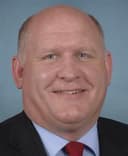
1 + 2
R· Pennsylvania
YRS IN OFFICE
17
BILLS LED
49
COSPONSOR BREAKDOWNBIPARTISAN · 0%
DEM 2 REP 0 IND 0
ACTION TIMELINE
2 EVENTSDEC 9
Introduced in House
DEC 9
Referred to the House Committee on Ways and Means.
BILL INFO
TypeHouse Bill
NumberHR 6543
Congress119th
StatusIn Committee
IntroducedDec 9, 2025
Last actionDec 9, 2025
READER REACTIONS
OVERALL SENTIMENT
No reactions yet. Be the first to weigh in.
Discussion
Loading comments...
IN COMMITTEE· 119TH CONGRESS · WAYS AND MEANS COMMITTEE · INTRODUCED DEC 9, 2025
House BillHR 6543Social Welfare
Health Care Worker and First Responder Fairness Act
INTRODUCED DEC 9, 2025· LAST ACTION DEC 9, 2025
PASSAGE CHANCES
—%
READING
3 min
COSPONSORS
2
COMPLEXITY
Moderate