Territories Health Equity Act of 2025 | ChamberLight
Bills · HR 6494
IN COMMITTEE· 119TH CONGRESS
House BillHR 6494Health
Territories Health Equity Act of 2025
INTRO DEC 5· LAST ACTION DEC 5
READING
19MIN
COSPONSORS
4BIPARTISAN
READER REACTIONS0 TOTAL
NO VOTES YET · BE THE FIRST
Introduced only
LEGISLATIVE PROGRESS
STEP 2 / 8
Introduced
In Committee
Reported
Passed House
Passed Senate
Conference
To President
Became Law
WHAT THE BILL DOES
AI-written
This bill matters because it addresses long-standing disparities in healthcare funding between U.S. states and territories. Currently, territories often receive less federal support for programs like Medicaid compared to states, which can strain local budgets and limit access to essential healthcare services for residents. If this bill becomes law, it would bring territories closer to parity with states in terms of federal healthcare funding, potentially leading to stronger healthcare systems, better patient care, and reduced financial burdens on local governments and residents.
Without this bill, territories would continue to face stricter federal funding limitations for Medicaid and receive lower or capped federal matching rates, which can result in underfunded programs and less comprehensive coverage for their populations. The changes to Medicare payments and subsidies would also make healthcare more accessible and affordable for seniors and low-income individuals in these areas. Voters should care because it impacts the health and well-being of millions of fellow U.S. citizens and raises questions about equitable treatment across all U.S. jurisdictions.
KEY PROVISIONS
5AI-extracted
PROVISION 01
Eliminates general Medicaid funding limitations (known as 'CAPs') for all U.S. territories starting in fiscal year 2026.
This means territories would no longer have a fixed limit on how much federal Medicaid money they can receive, potentially allowing for more comprehensive healthcare coverage and stability.
PROVISION 02
Removes a specific federal matching rate (FMAP) limitation for Puerto Rico's Medicaid program for fiscal years after 2025.
Puerto Rico would receive federal Medicaid matching funds at a rate closer to what states receive, increasing the federal share of its Medicaid costs.
PROVISION 03
Allows U.S. territories to receive Medicaid Disproportionate Share Hospital (DSH) allotments starting in fiscal year 2026.
This provides additional federal payments to hospitals in territories that serve a high number of uninsured or low-income patients, helping these hospitals remain financially viable.
PROVISION 04
Eliminates late enrollment penalties under Medicare Part B for certain individuals residing in Puerto Rico.
This makes Medicare Part B more affordable and accessible for eligible residents in Puerto Rico by removing financial penalties for delayed enrollment.
PROVISION 05
Makes certain low-income territorial residents automatically eligible for Medicare premium and cost-sharing subsidies under Part D.
This helps low-income individuals in territories afford their prescription drugs by automatically providing financial assistance for Medicare Part D costs.
Referred to the Committee on Energy and Commerce, and in addition to the Committee on Ways and Means, for a period to be subsequently determined by the Speaker, in each case for consideration of such provisions as fall within the jurisdiction of the committee concerned.
This bill matters because it addresses long-standing disparities in healthcare funding between U.S. states and territories. Currently, territories often receive less federal support for programs like Medicaid compared to states, which can strain local budgets and limit access to essential healthcare services for residents. If this bill becomes law, it would bring territories closer to parity with states in terms of federal healthcare funding, potentially leading to stronger healthcare systems, better patient care, and reduced financial burdens on local governments and residents.
Without this bill, territories would continue to face stricter federal funding limitations for Medicaid and receive lower or capped federal matching rates, which can result in underfunded programs and less comprehensive coverage for their populations. The changes to Medicare payments and subsidies would also make healthcare more accessible and affordable for seniors and low-income individuals in these areas. Voters should care because it impacts the health and well-being of millions of fellow U.S. citizens and raises questions about equitable treatment across all U.S. jurisdictions.
KEY PROVISIONS
AI-extracted
high
Eliminates general Medicaid funding limitations (known as 'CAPs') for all U.S. territories starting in fiscal year 2026.
This means territories would no longer have a fixed limit on how much federal Medicaid money they can receive, potentially allowing for more comprehensive healthcare coverage and stability.
high
Removes a specific federal matching rate (FMAP) limitation for Puerto Rico's Medicaid program for fiscal years after 2025.
Puerto Rico would receive federal Medicaid matching funds at a rate closer to what states receive, increasing the federal share of its Medicaid costs.
med
Allows U.S. territories to receive Medicaid Disproportionate Share Hospital (DSH) allotments starting in fiscal year 2026.
This provides additional federal payments to hospitals in territories that serve a high number of uninsured or low-income patients, helping these hospitals remain financially viable.
med
Eliminates late enrollment penalties under Medicare Part B for certain individuals residing in Puerto Rico.
This makes Medicare Part B more affordable and accessible for eligible residents in Puerto Rico by removing financial penalties for delayed enrollment.
high
Makes certain low-income territorial residents automatically eligible for Medicare premium and cost-sharing subsidies under Part D.
This helps low-income individuals in territories afford their prescription drugs by automatically providing financial assistance for Medicare Part D costs.
Elimination of Medicaid funding limitations (CAP) for territories takes effect.
Fiscal year 2025
Elimination of specific FMAP limitation for Puerto Rico takes effect for fiscal years after.
Fiscal year 2026
Medicaid DSH allotments for territories begin.
On or after October 1, 2025
New calculation of Medicare DSH payments for IPPS hospitals in Puerto Rico applies for discharges occurring.
On or after October 1, 2025
Rebasing target amount for hospitals in territories applies for each cost reporting period beginning.
Not specified, but linked to automatic eligibility provision.
Sunset of enhanced allotment program related to automatic eligibility of low-income territorial residents for Medicare premium and cost-sharing subsidies.
These are the parts of federal law that established Medicare (Title XVIII) and Medicaid (Title XIX), which are major government health insurance programs.
Medicare
A federal health insurance program for people 65 or older, certain younger people with disabilities, and people with End-Stage Renal Disease (permanent kidney failure requiring dialysis or a transplant).
Medicaid
A joint federal and state program that helps with medical costs for some people with limited income and resources.
Territories (of the United States)
Areas under the jurisdiction of the United States that are not states, such as Puerto Rico, the U.S. Virgin Islands, Guam, the Northern Mariana Islands, and American Samoa.
Medicaid Funding Limitations (CAP)
A fixed upper limit on the amount of federal Medicaid funds that U.S. territories can receive in a given fiscal year, unlike states which do not have such a cap.
Federal Medical Assistance Percentage (FMAP)
The percentage of Medicaid costs that the federal government pays to states and territories. It varies based on a state's or territory's per capita income.
ACTION TIMELINE
2 EVENTS
DEC 5, 25
Introduced in House
INTROREFERRAL
DEC 5, 25
Referred to the Committee on Energy and Commerce, and in addition to the Committee on Ways and Means, for a period to be subsequently determined by the Speaker, in each case for consideration of such provisions as fall within the jurisdiction of the committee concerned.
INTROREFERRAL
SPONSORS
1 SPONSOR · 4 COSPONSORS
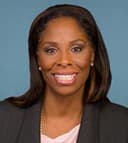
Stacey Plaskett
D· U.S. Virgin Islands· 11 YRS IN OFFICE· 20 BILLS LED
Additional federal Medicaid payments made to hospitals that serve a significantly high number of low-income or uninsured patients, helping to cover the costs of uncompensated care.
Medicare Part B
The part of Medicare that covers certain doctors' services, outpatient care, medical supplies, and preventive services.
Medicare Part D
The part of Medicare that helps cover the cost of prescription drugs.