Bills · HR 6471
IN COMMITTEE· 119TH CONGRESS
House BillHR 6471Crime and Law Enforcement
Justice in Sentencing for Survivors Act of 2025
INTRO DEC 4· LAST ACTION DEC 4
READING
6MIN
COSPONSORS
1
READER REACTIONS0 TOTAL
NO VOTES YET · BE THE FIRST
- Introduced only
LEGISLATIVE PROGRESS
STEP 2 / 8Introduced
In Committee
Reported
Passed House
Passed Senate
Conference
To President
Became Law
WHAT THE BILL DOES
AI-writtenThis bill matters because it seeks to change how the justice system treats individuals whose criminal actions may be directly linked to their experiences as survivors of severe abuse. Currently, federal law often mandates minimum sentences, limiting a judge's ability to consider a person's personal history and trauma. If this bill becomes law, it would provide judges with the flexibility to account for a defendant's past as a victim of abuse, potentially leading to shorter prison terms or non-carceral alternatives for a specific population of offenders.
Without this bill, judges would continue to be bound by existing statutory minimums, which may not adequately consider the complex relationship between trauma and criminal behavior. For voters, this bill represents a debate about the balance between punitive justice and a more trauma-informed approach, questioning whether a history of severe abuse should mitigate criminal sentencing. It could lead to a reduction in the incarcerated population, particularly for women who are disproportionately survivors of abuse, and could shift the focus towards rehabilitation for some offenders.
KEY PROVISIONS
5AI-extractedPROVISION 01
Authorizes federal courts to impose sentences below the statutory minimum for victim offenders.
This grants judges significant new discretion, allowing them to consider a survivor's trauma when determining sentence length, overriding strict mandatory minimums.
PROVISION 02
Allows courts to impose alternative sentences like probation or community confinement for victim offenders.
This provides options beyond incarceration, potentially leading to rehabilitation-focused outcomes for survivors of abuse.
PROVISION 03
Expands the criteria for considering abuse, allowing it even if not physical, long-term, or directly tied to the offense's timing or victim.
This ensures a broader range of abuse experiences can be considered, acknowledging that trauma's impact isn't always immediate or straightforward.
PROVISION 04
Applies the new sentencing considerations to both pending cases and allows for reconsideration of past convictions and sentences.
This provision offers a pathway for individuals already incarcerated to seek relief based on their survivor status, impacting current prison populations.
PROVISION 05
Directs the United States Sentencing Commission to amend its guidelines to include a victim offender's abuse history as a sentencing factor.
This ensures that the new judicial discretion is formally incorporated into the broader federal sentencing framework.
SPONSORSHIP
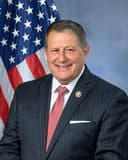
1 + 1
D· New York
YRS IN OFFICE
7
BILLS LED
37
COSPONSOR BREAKDOWNBIPARTISAN · 0%
DEM 1 REP 0 IND 0
ACTION TIMELINE
2 EVENTSDEC 4
Introduced in House
DEC 4
Referred to the House Committee on the Judiciary.
BILL INFO
TypeHouse Bill
NumberHR 6471
Congress119th
StatusIn Committee
IntroducedDec 4, 2025
Last actionDec 4, 2025
READER REACTIONS
OVERALL SENTIMENT
No reactions yet. Be the first to weigh in.
Discussion
Loading comments...
IN COMMITTEE· 119TH CONGRESS · JUDICIARY COMMITTEE · INTRODUCED DEC 4, 2025
House BillHR 6471Crime and Law Enforcement
Justice in Sentencing for Survivors Act of 2025
INTRODUCED DEC 4, 2025· LAST ACTION DEC 4, 2025
PASSAGE CHANCES
—%
READING
6 min
COSPONSORS
1
COMPLEXITY
Moderate