Bills · HR 6338
PASSED HOUSE· 119TH CONGRESS
House BillHR 6338SanctionsPresidents and presidential powers, Vice Presidents
Stop Illegal Fishing Act
INTRO DEC 1· LAST ACTION JUN 9
READING
7MIN
COSPONSORS
3BIPARTISAN
READER REACTIONS0 TOTAL
NO VOTES YET · BE THE FIRST
- Introduced only
LEGISLATIVE PROGRESS
STEP 4 / 8Introduced
In Committee
Reported
Passed House
Passed Senate
Conference
To President
Became Law
WHAT THE BILL DOES
AI-writtenVoters should care about this bill because illegal, unreported, and unregulated (IUU) fishing is a major global problem with significant real-world consequences. It depletes fish populations, damages marine environments, and undermines the livelihoods of legal fishermen, including those in the United States. This bill aims to combat these issues by using U.S. economic and immigration powers to deter foreign entities from engaging in such harmful practices.
If this bill becomes law, the U.S. government would have a clear mandate to impose sanctions on those who participate in IUU fishing, potentially reducing overfishing and protecting vulnerable marine ecosystems. It could also help address human rights concerns often associated with IUU fishing, such as forced labor. If it doesn't become law, the U.S. would continue to rely on existing, potentially less targeted, mechanisms to address IUU fishing, and the identified problems of environmental damage, economic harm, and human rights abuses would likely persist or worsen.
KEY PROVISIONS
4AI-extractedPROVISION 01
The U.S. President is required to impose sanctions on foreign individuals and companies that knowingly engage in or support illegal, unreported, and unregulated (IUU) fishing.
This makes the imposition of sanctions mandatory rather than discretionary, ensuring a strong U.S. response to harmful fishing practices.
PROVISION 02
The U.S. President is also required to impose sanctions on foreign vessels that engage in IUU fishing.
This directly targets the physical assets used in illegal fishing, making it harder for them to operate globally.
PROVISION 03
Sanctions include blocking assets in the U.S. and denying or revoking visas for foreign individuals involved in IUU fishing.
These are powerful tools that can significantly disrupt the financial and operational capabilities of sanctioned parties.
PROVISION 04
The President must submit annual reports for five years detailing efforts to impose sanctions and listing all sanctioned foreign persons and vessels.
This provision ensures accountability and transparency regarding the implementation and effectiveness of the sanctions program.
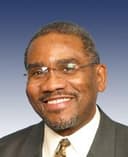
SPONSORSHIP
1 + 3
D· New York
YRS IN OFFICE
29
BILLS LED
44
COSPONSOR BREAKDOWNBIPARTISAN · 67%
DEM 1 REP 2 IND 0
ACTION TIMELINE
13 EVENTSJUN 9
Received in the Senate and Read twice and referred to the Committee on Foreign Relations.
JUN 8
Mr. Mast moved to suspend the rules and pass the bill, as amended.
JUN 8
Considered under suspension of the rules. (consideration: CR H3968-3970)
JUN 8
DEBATE - The House proceeded with forty minutes of debate on H.R. 6338.
BILL INFO
TypeHouse Bill
NumberHR 6338
Congress119th
StatusPassed House
IntroducedDec 1, 2025
Last actionJun 9, 2026
READER REACTIONS
OVERALL SENTIMENT
No reactions yet. Be the first to weigh in.
Discussion
Loading comments...
PASSED HOUSE· 119TH CONGRESS · JUDICIARY COMMITTEE · INTRODUCED DEC 1, 2025
House BillHR 6338SanctionsPresidents and presidential powers, Vice Presidents
Stop Illegal Fishing Act
INTRODUCED DEC 1, 2025· LAST ACTION JUN 9, 2026
PASSAGE CHANCES
—%
READING
7 min
COSPONSORS
3
COMPLEXITY
Moderate