Bills · HR 6276
IN COMMITTEE· 119TH CONGRESS
House BillHR 6276Environmental Protection
Dredging Coordination Improvement Act
INTRO NOV 21· LAST ACTION NOV 22
READING
2MIN
COSPONSORS
3BIPARTISAN
READER REACTIONS0 TOTAL
NO VOTES YET · BE THE FIRST
- Introduced only
LEGISLATIVE PROGRESS
STEP 2 / 8Introduced
In Committee
Reported
Passed House
Passed Senate
Conference
To President
Became Law
WHAT THE BILL DOES
AI-writtenThis bill matters because it could significantly impact how quickly and efficiently critical waterways are maintained across the country. Clear and deep shipping channels are vital for the flow of goods, supporting supply chains, and keeping the cost of products down. If these channels aren't dredged regularly or if projects are delayed due to a lack of coordination, it can lead to economic slowdowns, increased shipping costs, and even safety hazards.
By requiring more consultation and setting clear priorities, the bill aims to ensure that the most important dredging needs — like those for commercial ports and emergency access — are addressed promptly. It also promotes transparency by requiring quicker communication about schedule changes and sharing of technical details. If this bill becomes law, it could lead to more predictable and responsive dredging operations, potentially reducing delays and improving the economic viability of waterway-dependent industries. If it doesn't pass, the current system for dredging contracts and communication with local partners would remain, which some might argue leads to less efficient or coordinated project execution.
KEY PROVISIONS
5AI-extractedPROVISION 01
Requires the Secretary of the Army to consult with stakeholders, including local partners, when planning maintenance dredging contracts.
This ensures that local needs and concerns are considered early in the planning process for vital waterway maintenance.
PROVISION 02
Establishes a prioritization system for maintenance dredging, favoring commercial, emergency, and national interest activities.
This aims to allocate resources to the most critical dredging projects first, supporting trade, disaster response, and national security.
PROVISION 03
Mandates timely notification (within three business days) to local partners about changes to dredging project schedules.
This improves communication and allows local partners to better plan for the impacts of dredging schedule adjustments.
PROVISION 04
Allows the Secretary to bypass stakeholder consultation in cases of emergency or significant national interest.
This provides flexibility to quickly address urgent dredging needs without potential delays from extended consultations.
PROVISION 05
Requires the Secretary to provide "capability numbers" (technical details) to local partners upon request.
This increases transparency and provides local partners with important technical information about dredging activities.
SPONSORSHIP
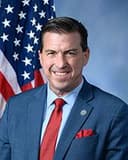
1 + 3
D· California
YRS IN OFFICE
3
BILLS LED
33
COSPONSOR BREAKDOWNBIPARTISAN · 66%
DEM 1 REP 2 IND 0
ACTION TIMELINE
3 EVENTSNOV 22
Referred to the Subcommittee on Water Resources and Environment.
NOV 21
Introduced in House
NOV 21
Referred to the House Committee on Transportation and Infrastructure.
BILL INFO
TypeHouse Bill
NumberHR 6276
Congress119th
StatusIn Committee
IntroducedNov 21, 2025
Last actionNov 22, 2025
READER REACTIONS
OVERALL SENTIMENT
No reactions yet. Be the first to weigh in.
Discussion
Loading comments...
IN COMMITTEE· 119TH CONGRESS · TRANSPORTATION AND INFRASTRUCTURE COMMITTEE · INTRODUCED NOV 21, 2025
House BillHR 6276Environmental Protection
Dredging Coordination Improvement Act
INTRODUCED NOV 21, 2025· LAST ACTION NOV 22, 2025
PASSAGE CHANCES
—%
READING
2 min
COSPONSORS
3
COMPLEXITY
Moderate