Bills · HR 6211
IN COMMITTEE· 119TH CONGRESS
House BillHR 6211Health
Medical Professional Access Act
INTRO NOV 20· LAST ACTION NOV 20
READING
2MIN
COSPONSORS
3
READER REACTIONS0 TOTAL
NO VOTES YET · BE THE FIRST
- Introduced only
LEGISLATIVE PROGRESS
STEP 2 / 8Introduced
In Committee
Reported
Passed House
Passed Senate
Conference
To President
Became Law
WHAT THE BILL DOES
AI-writtenThis bill matters because it addresses a long-standing challenge in emergency response: the difficulty of deploying healthcare professionals across state lines due to varying licensing laws. If this bill becomes law, it could significantly improve how the nation responds to major disasters, pandemics, or other national emergencies by allowing medical personnel to move more freely and quickly to where they are most needed.
Without this bill, healthcare workers often face bureaucratic hurdles that delay their ability to provide critical care in different states during emergencies. By removing these barriers, the bill aims to ensure that communities hit by crises receive more timely and robust medical support, potentially saving lives and mitigating health impacts. If it doesn't become law, the existing state-by-state licensing system will continue, potentially slowing down critical medical responses during future emergencies.
KEY PROVISIONS
3AI-extractedPROVISION 01
Allows licensed healthcare professionals working under a federal contract to provide services in any U.S. state, territory, or the District of Columbia.
This provision enables healthcare workers to bypass state-specific licensing barriers during federal emergencies.
PROVISION 02
This cross-state practice is only permitted in response to a federally declared emergency and must be within the scope of their federal contract duties.
It establishes strict conditions for when this license portability can be used, limiting its application to specific crisis situations.
PROVISION 03
Defines 'federally declared emergency' to include presidential disaster declarations, public health emergencies, and other national emergencies certified by an Executive Department head.
This clarifies the types of crises that would trigger the license portability provisions.
SPONSORSHIP
1 + 3
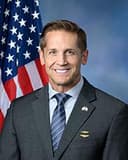
R· Georgia
YRS IN OFFICE
3
BILLS LED
22
COSPONSOR BREAKDOWNBIPARTISAN · 0%
DEM 0 REP 3 IND 0
ACTION TIMELINE
2 EVENTSNOV 20
Introduced in House
NOV 20
Referred to the House Committee on Oversight and Government Reform.
BILL INFO
TypeHouse Bill
NumberHR 6211
Congress119th
StatusIn Committee
IntroducedNov 20, 2025
Last actionNov 20, 2025
READER REACTIONS
OVERALL SENTIMENT
No reactions yet. Be the first to weigh in.
Discussion
Loading comments...
IN COMMITTEE· 119TH CONGRESS · OVERSIGHT AND GOVERNMENT REFORM COMMITTEE · INTRODUCED NOV 20, 2025
House BillHR 6211Health
Medical Professional Access Act
INTRODUCED NOV 20, 2025· LAST ACTION NOV 20, 2025
PASSAGE CHANCES
—%
READING
2 min
COSPONSORS
3
COMPLEXITY
Moderate