Bills · HR 6181
IN COMMITTEE· 119TH CONGRESS
House BillHR 6181Families
John Lewis Every Child Deserves a Family Act
INTRO NOV 20· LAST ACTION NOV 20
READING
18MIN
COSPONSORS
164
READER REACTIONS0 TOTAL
NO VOTES YET · BE THE FIRST
- Introduced only
LEGISLATIVE PROGRESS
STEP 2 / 8Introduced
In Committee
Reported
Passed House
Passed Senate
Conference
To President
Became Law
WHAT THE BILL DOES
AI-writtenThis bill matters because it addresses two critical issues: the shortage of loving homes for children in foster care and the unique vulnerabilities of LGBTQ+ youth within the system. By prohibiting discrimination against prospective parents based on religion, sexual orientation, gender identity, or marital status, the bill could open up more homes for children who desperately need them, reducing the reliance on less ideal group settings.
For LGBTQ+ youth in foster care, who are disproportionately represented and face higher rates of abuse, homelessness, and suicide attempts, this bill aims to provide much-needed protections and ensure they receive affirming care. If this bill becomes law, it means more kids could find stable families and LGBTQ+ youth would be safer and better supported. If it doesn't pass, these children and families may continue to face barriers and discrimination, exacerbating existing challenges in the child welfare system.
KEY PROVISIONS
3AI-extractedPROVISION 01
Prohibits discrimination in child welfare services based on religion, sex (including sexual orientation and gender identity), and marital status.
This ensures that a broader pool of qualified individuals and families can become foster or adoptive parents, increasing the number of available homes for children.
PROVISION 02
Aims to improve safety, well-being, and permanency for lesbian, gay, bisexual, transgender, and queer or questioning (LGBTQ+) foster youth.
This provision directly addresses the documented higher rates of poor treatment, instability, and negative outcomes experienced by LGBTQ+ youth in foster care.
PROVISION 03
Recognizes the harm of 'conversion therapy' and the need to protect LGBTQ+ youth from such practices.
This highlights a specific form of discrimination and abuse that the bill seeks to prevent from being inflicted upon vulnerable youth in the child welfare system.
SPONSORSHIP
1 + 164
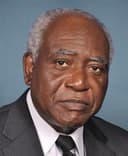
D· Illinois
YRS IN OFFICE
29
BILLS LED
22
COSPONSOR BREAKDOWNBIPARTISAN · 0%
DEM 164 REP 0 IND 0
ACTION TIMELINE
2 EVENTSNOV 20
Introduced in House
NOV 20
Referred to the Committee on Ways and Means, and in addition to the Committee on Energy and Commerce, for a period to be subsequently determined by the Speaker, in each case for consideration of such provisions as fall within the jurisdiction of the committee concerned.
BILL INFO
TypeHouse Bill
NumberHR 6181
Congress119th
StatusIn Committee
IntroducedNov 20, 2025
Last actionNov 20, 2025
READER REACTIONS
OVERALL SENTIMENT
No reactions yet. Be the first to weigh in.
Discussion
Loading comments...
IN COMMITTEE· 119TH CONGRESS · WAYS AND MEANS COMMITTEE · INTRODUCED NOV 20, 2025
House BillHR 6181Families
John Lewis Every Child Deserves a Family Act
INTRODUCED NOV 20, 2025· LAST ACTION NOV 20, 2025
PASSAGE CHANCES
—%
READING
18 min
COSPONSORS
164
COMPLEXITY
Moderate