Bills · HR 6174
IN COMMITTEE· 119TH CONGRESS
House BillHR 6174Health
Ending Crime and Disorder on America’s Streets Act
INTRO NOV 20· LAST ACTION NOV 20
READING
8MIN
COSPONSORS
1
READER REACTIONS0 TOTAL
NO VOTES YET · BE THE FIRST
- Introduced only
LEGISLATIVE PROGRESS
STEP 2 / 8Introduced
In Committee
Reported
Passed House
Passed Senate
Conference
To President
Became Law
WHAT THE BILL DOES
AI-writtenVoters should care about this bill because it proposes a major shift in how the government addresses homelessness and mental health, moving away from current approaches that often prioritize giving people housing first. If passed, it would make it easier for people with severe mental illness or addiction to be involuntarily committed to institutions, which raises questions about individual rights versus public safety. It would also lead to more enforcement against visible signs of homelessness like encampments and public loitering.
This bill could drastically change the landscape of urban areas and the services available to vulnerable populations. It redefines what the federal government considers "effective methods" for addressing homelessness, specifically rejecting "housing first" and some "harm reduction" strategies. If this bill becomes law, federal funding for homelessness and substance abuse programs would be redirected, potentially altering the types of support available in communities and leading to more institutionalization and enforcement-based responses.
KEY PROVISIONS
5AI-extractedPROVISION 01
Requires the Attorney General and Secretary of Health and Human Services to take steps to restore civil commitment procedures, including overturning judicial precedents and supporting states in adopting more flexible commitment standards for unhoused individuals.
This could significantly increase the involuntary institutionalization of unhoused individuals deemed unable to care for themselves.
PROVISION 02
Directs federal agencies to give priority in grant programs to states and cities that enforce bans on public drug use, urban camping, loitering, and squatting, and use civil commitment for unhoused individuals.
This incentivizes local governments to adopt stricter enforcement measures against behaviors associated with homelessness, potentially increasing arrests and displacement.
PROVISION 03
Instructs the Secretary of Health and Human Services and Secretary of Housing and Urban Development to end support for "housing first" policies and direct federal resources towards institutional treatment and programs that achieve specific outcomes, rather than harm reduction efforts.
This fundamentally alters the federal government's strategy for addressing homelessness, shifting away from immediate housing provisions and certain substance abuse treatments.
PROVISION 04
Makes federal Emergency Federal Law Enforcement Assistance Program funds available for encampment removal efforts when public safety is at risk and local resources are insufficient.
This provides federal resources to clear homeless encampments, potentially impacting where unhoused individuals can reside and increasing their displacement.
PROVISION 05
Enhances enforcement of the Sex Offender Registration and Notification Act for unhoused sex offenders, including mapping and checking their locations.
This aims to increase public safety by more rigorously tracking sex offenders who do not have a fixed address.
SPONSORSHIP
1 + 1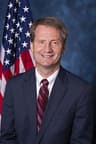
R· Tennessee
YRS IN OFFICE
7
BILLS LED
65
COSPONSOR BREAKDOWNBIPARTISAN · 0%
DEM 0 REP 1 IND 0
ACTION TIMELINE
2 EVENTSNOV 20
Introduced in House
NOV 20
Referred to the Committee on the Judiciary, and in addition to the Committees on Energy and Commerce, and Financial Services, for a period to be subsequently determined by the Speaker, in each case for consideration of such provisions as fall within the jurisdiction of the committee concerned.
BILL INFO
TypeHouse Bill
NumberHR 6174
Congress119th
StatusIn Committee
IntroducedNov 20, 2025
Last actionNov 20, 2025
READER REACTIONS
OVERALL SENTIMENT
No reactions yet. Be the first to weigh in.
Discussion
Loading comments...
IN COMMITTEE· 119TH CONGRESS · JUDICIARY COMMITTEE · INTRODUCED NOV 20, 2025
House BillHR 6174Health
Ending Crime and Disorder on America’s Streets Act
INTRODUCED NOV 20, 2025· LAST ACTION NOV 20, 2025
PASSAGE CHANCES
—%
READING
8 min
COSPONSORS
1
COMPLEXITY
Moderate