Bills · HR 6152
REPORTED· 119TH CONGRESS
House BillHR 6152Foreign and international corporationsTelephone and wireless communication
Foreign Robocall Elimination Act
INTRO NOV 19· LAST ACTION SEP 16
READING
11MIN
COSPONSORS
38BIPARTISAN
READER REACTIONS0 TOTAL
NO VOTES YET · BE THE FIRST
- Introduced only
LEGISLATIVE PROGRESS
STEP 3 / 8Introduced
In Committee
Reported
Passed House
Passed Senate
Conference
To President
Became Law
WHAT THE BILL DOES
AI-writtenRobocalls are a pervasive nuisance and a significant source of fraud and identity theft for millions of Americans. This bill specifically targets robocalls originating from outside the United States, which are often more challenging for U.S. authorities to combat due to international borders and differing legal frameworks. If this bill becomes law, it could lead to a more coordinated and effective strategy to block these calls, potentially reducing consumer losses and restoring trust in telephone communication. If it doesn't become law, efforts to combat foreign robocalls might remain fragmented, leaving consumers vulnerable to ongoing scams and harassment from abroad.
KEY PROVISIONS
4AI-extractedPROVISION 01
The Federal Communications Commission (FCC) must establish an interagency taskforce on unlawful robocalls within 270 days of the bill becoming law.
This creates a dedicated body specifically tasked with addressing the complex issue of illegal robocalls originating from foreign countries.
PROVISION 02
The taskforce will include representatives from federal agencies (like the FCC, FTC, and Attorney General) and seven experts from the private sector, including telecom providers, tech specialists, marketing businesses, non-profits, and consumer advocates.
This ensures a broad range of perspectives and expertise, from government enforcement to industry technical capabilities and consumer protection, is brought to bear on the problem.
PROVISION 03
The taskforce is required to prepare a report with recommendations for federal agencies and Congress on the most effective ways to combat unlawful robocalls made into the United States from outside the United States.
This report will serve as a foundational document, outlining specific strategies and policy suggestions to tackle a challenging form of telemarketing fraud.
PROVISION 04
The report must specifically study the magnitude of financial loss and identity theft from foreign robocalls, compare foreign vs. domestic robocall volumes, identify top foreign origins, examine international cooperation on call authentication technologies (like STIR/SHAKEN), and assess the need for increased resources or criminal penalties.
These detailed study requirements ensure the taskforce focuses on key data, technological solutions, and enforcement challenges specific to foreign-originated robocalls.
SPONSORSHIP
1 + 38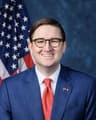
R· North Carolina
YRS IN OFFICE
1
BILLS LED
20
COSPONSOR BREAKDOWNBIPARTISAN · 89%
DEM 17 REP 21 IND 0
ACTION TIMELINE
13 EVENTSSEP 16
Committee Consideration and Mark-up Session Held
SEP 16
Ordered to be Reported by the Yeas and Nays: 37 - 0.
SEP 1
Subcommittee Consideration and Mark-up Session Held
SEP 1
Forwarded by Subcommittee to Full Committee by Voice Vote.
BILL INFO
TypeHouse Bill
NumberHR 6152
Congress119th
StatusReported
IntroducedNov 19, 2025
Last actionSep 16, 2026
READER REACTIONS
OVERALL SENTIMENT
No reactions yet. Be the first to weigh in.
Discussion
Loading comments...
REPORTED· 119TH CONGRESS · ENERGY AND COMMERCE COMMITTEE · INTRODUCED NOV 19, 2025
House BillHR 6152Foreign and international corporationsTelephone and wireless communication
Foreign Robocall Elimination Act
INTRODUCED NOV 19, 2025· LAST ACTION SEP 16, 2026
PASSAGE CHANCES
—%
READING
11 min
COSPONSORS
38
COMPLEXITY
Moderate