Bills · HR 6107
IN COMMITTEE· 119TH CONGRESS
House BillHR 6107Caribbean areaCuba
PAID OFF Act of 2025
INTRO NOV 18· LAST ACTION NOV 18
READING
3MIN
COSPONSORS
1
READER REACTIONS0 TOTAL
NO VOTES YET · BE THE FIRST
- Introduced only
LEGISLATIVE PROGRESS
STEP 2 / 8Introduced
In Committee
Reported
Passed House
Passed Senate
Conference
To President
Became Law
WHAT THE BILL DOES
AI-writtenVoters should care about this bill because it aims to increase transparency around foreign influence in American politics and public discourse. In an era where foreign interference and covert lobbying are significant concerns, knowing who is working for foreign interests and what those interests are can help ensure a more informed public and policy-making process.
If this bill becomes law, it means that certain foreign entities and their U.S.-based representatives, especially those linked to countries identified as potential adversaries, will have to openly declare their activities, whereas before, they might have operated under an exemption. If it doesn't become law, these specific exemptions would remain in place, potentially allowing some foreign influence operations to continue without public disclosure under FARA.
KEY PROVISIONS
4AI-extractedPROVISION 01
Removes specific FARA exemptions for agents of foreign principals that are corporate or government entities owned or controlled by certain identified countries.
This makes more foreign-funded activities subject to public disclosure, increasing transparency about who is working for specific foreign governments or their controlled entities.
PROVISION 02
Amends the State Department Basic Authorities Act to establish a mechanism for the Secretary of State to propose changes (additions or deletions) to the list of 'identified countries'.
This allows the government to update the list of countries whose associated foreign agents lose their FARA exemptions, making the law more adaptable to changing geopolitical landscapes.
PROVISION 03
Requires Congressional approval through a joint resolution for any proposed changes to the list of 'identified countries'.
This ensures that significant changes to the list of countries whose agents face stricter registration rules have bipartisan support and legislative oversight.
PROVISION 04
Includes a sunset clause, meaning the amendments made by this bill will terminate five years after its enactment.
This provision allows for a review of the law's effectiveness and impact after a trial period, preventing it from becoming permanent without further legislative action.
SPONSORSHIP
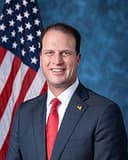
1 + 1
R· Texas
YRS IN OFFICE
5
BILLS LED
62
COSPONSOR BREAKDOWNBIPARTISAN · 0%
DEM 1 REP 0 IND 0
ACTION TIMELINE
2 EVENTSNOV 18
Introduced in House
NOV 18
Referred to the Committee on Foreign Affairs, and in addition to the Committees on the Judiciary, and Rules, for a period to be subsequently determined by the Speaker, in each case for consideration of such provisions as fall within the jurisdiction of the committee concerned.
BILL INFO
TypeHouse Bill
NumberHR 6107
Congress119th
StatusIn Committee
IntroducedNov 18, 2025
Last actionNov 18, 2025
READER REACTIONS
OVERALL SENTIMENT
No reactions yet. Be the first to weigh in.
Discussion
Loading comments...
IN COMMITTEE· 119TH CONGRESS · JUDICIARY COMMITTEE · INTRODUCED NOV 18, 2025
House BillHR 6107Caribbean areaCuba
PAID OFF Act of 2025
INTRODUCED NOV 18, 2025· LAST ACTION NOV 18, 2025
PASSAGE CHANCES
—%
READING
3 min
COSPONSORS
1
COMPLEXITY
Moderate