Bills · HR 6083
IN COMMITTEE· 119TH CONGRESS
House BillHR 6083International Affairs
La Comisión de las Ocupaciónes Americanos Act
INTRO NOV 18· LAST ACTION NOV 18
READING
18MIN
COSPONSORS
0
READER REACTIONS0 TOTAL
NO VOTES YET · BE THE FIRST
- Introduced only
LEGISLATIVE PROGRESS
STEP 2 / 8Introduced
In Committee
Reported
Passed House
Passed Senate
Conference
To President
Became Law
WHAT THE BILL DOES
AI-writtenThis bill matters because it represents a significant effort to formally confront and address a controversial chapter of U.S. foreign policy history. If passed, it would officially recognize past interventions that the bill describes as misguided, acknowledging their lasting impact on regional relations and the peoples involved. This could lead to a re-evaluation of how the U.S. engages with its neighbors in the Americas.
Voters should care because a more thorough understanding and acknowledgment of historical grievances could foster greater trust, strengthen diplomatic ties, and improve cooperation on current issues with nations in the Western Hemisphere. Conversely, if the bill does not become law, these historical issues would likely remain unaddressed at a federal level, potentially perpetuating existing tensions or hindering opportunities for deeper reconciliation and partnership in the region.
KEY PROVISIONS
4AI-extractedPROVISION 01
Establishes a commission to study the fundamental repercussions of U.S. interventions in Western Hemisphere nations during the 20th century.
This creates an official body within the U.S. government to conduct a detailed historical review of controversial foreign policy actions.
PROVISION 02
The commission is tasked with considering an official apology from the United States for these past interventions.
An official apology could be a profoundly significant step in acknowledging historical wrongs and fostering improved international relations.
PROVISION 03
The commission will develop proposals for repairing relations and achieving reconciliation with the peoples of the affected nations.
This provision aims to provide actionable strategies for improving current and future diplomatic ties, moving beyond mere historical analysis.
PROVISION 04
The bill explicitly lists and details specific U.S. military interventions in Nicaragua, Mexico, and the Dominican Republic as part of its findings.
These detailed findings provide the historical context and define the initial scope of the commission's investigative work.
SPONSORSHIP
1 + 0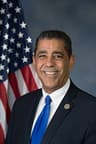
D· New York
YRS IN OFFICE
9
BILLS LED
47
ACTION TIMELINE
2 EVENTSNOV 18
Introduced in House
NOV 18
Referred to the House Committee on Foreign Affairs.
BILL INFO
TypeHouse Bill
NumberHR 6083
Congress119th
StatusIn Committee
IntroducedNov 18, 2025
Last actionNov 18, 2025
READER REACTIONS
OVERALL SENTIMENT
No reactions yet. Be the first to weigh in.
Discussion
Loading comments...
IN COMMITTEE· 119TH CONGRESS · FOREIGN AFFAIRS COMMITTEE · INTRODUCED NOV 18, 2025
House BillHR 6083International Affairs
La Comisión de las Ocupaciónes Americanos Act
INTRODUCED NOV 18, 2025· LAST ACTION NOV 18, 2025
PASSAGE CHANCES
—%
READING
18 min
COSPONSORS
0
COMPLEXITY
Moderate