Bills · HR 6066
IN COMMITTEE· 119TH CONGRESS
House BillHR 6066Labor and Employment
CARE Act of 2025
INTRO NOV 17· LAST ACTION NOV 17
READING
11MIN
COSPONSORS
6
READER REACTIONS0 TOTAL
NO VOTES YET · BE THE FIRST
- Introduced only
LEGISLATIVE PROGRESS
STEP 2 / 8Introduced
In Committee
Reported
Passed House
Passed Senate
Conference
To President
Became Law
WHAT THE BILL DOES
AI-writtenThis bill matters because it addresses a long-standing difference in federal labor law that has allowed children in agriculture to work under conditions generally considered unsafe or inappropriate for their age in other industries. If this bill becomes law, it would significantly strengthen protections for potentially hundreds of thousands of children working on farms across the U.S., which could lead to fewer injuries, illnesses, and fatalities among young farmworkers. It seeks to ensure that child farmworkers have similar safety and labor rights as children in other job sectors.
If the bill does not pass, the current exceptions for child labor in agriculture would remain. This means children could continue to work at younger ages, for longer hours, and in more hazardous conditions on farms compared to other types of employment. This continuation of the current system would leave young farmworkers vulnerable to the risks highlighted in the bill's findings, such as high rates of work-related injuries, disruptions to their schooling, and potential exploitation. Voters concerned with child welfare, worker safety, and fair labor standards would find this bill particularly relevant.
KEY PROVISIONS
5AI-extractedPROVISION 01
Revises the definition of "oppressive child labor" to include any employee under 14 years of age, and sets specific conditions for 14-17 year olds.
This broadens the scope of prohibited child labor, especially for the youngest workers, and sets clearer safety and schooling standards for older minors.
PROVISION 02
Changes the age requirements for child agricultural employment, largely removing exceptions that allowed children under 16 to work in many farm jobs and repealing a specific waiver for hand harvest laborers.
This directly targets the historical exemptions in agriculture, making child labor rules for farms more consistent with other industries and reducing hazardous work for minors.
PROVISION 03
Significantly increases civil penalties for child labor violations, with higher fines for violations causing serious injury, illness, or death, and allows for these penalties to be doubled for repeat or willful violations.
Stiffer financial penalties aim to deter employers from violating child labor laws by making non-compliance much more costly.
PROVISION 04
Establishes new criminal penalties, including up to 5 years imprisonment and/or fines, for repeated or willful child labor violations that result in the death, serious injury, or serious illness of a child under 18.
Introducing criminal charges adds a severe deterrent for egregious violations, emphasizing the seriousness of harm to child workers.
PROVISION 05
Requires a report to Congress on work-related injuries to children and other related matters.
This provision aims to improve data collection and understanding of the scope of child work-related injuries, which can help inform future policy and enforcement.
SPONSORSHIP
1 + 6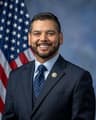
D· California
YRS IN OFFICE
13
BILLS LED
36
COSPONSOR BREAKDOWNBIPARTISAN · 0%
DEM 6 REP 0 IND 0
ACTION TIMELINE
2 EVENTSNOV 17
Introduced in House
NOV 17
Referred to the House Committee on Education and Workforce.
BILL INFO
TypeHouse Bill
NumberHR 6066
Congress119th
StatusIn Committee
IntroducedNov 17, 2025
Last actionNov 17, 2025
READER REACTIONS
OVERALL SENTIMENT
No reactions yet. Be the first to weigh in.
Discussion
Loading comments...
IN COMMITTEE· 119TH CONGRESS · EDUCATION AND WORKFORCE COMMITTEE · INTRODUCED NOV 17, 2025
House BillHR 6066Labor and Employment
CARE Act of 2025
INTRODUCED NOV 17, 2025· LAST ACTION NOV 17, 2025
PASSAGE CHANCES
—%
READING
11 min
COSPONSORS
6
COMPLEXITY
Moderate