Bills · HR 6024
IN COMMITTEE· 119TH CONGRESS
House BillHR 6024Armed Forces and National Security
BRAVE Act of 2025
This bill improves veteran mental health care by fixing staffing shortages, expanding community counseling centers, and tailoring suicide prevention efforts to better support women and veterans with physical disabilities.AI-written
INTRO NOV 12· LAST ACTION DEC 3
READING
18MIN
COSPONSORS
10BIPARTISAN
READER REACTIONS0 TOTAL
NO VOTES YET · BE THE FIRST
- Introduced only
tl;dr
AI-writtenExpands the veteran mental health workforce by making hiring more flexible and salaries more competitive while updating suicide prevention programs to better identify high-risk women veterans.
LEGISLATIVE PROGRESS
STEP 2 / 8Introduced
In Committee
Reported
Passed House
Passed Senate
Conference
To President
Became Law
WHAT THE BILL DOES
AI-writtenVeteran suicide remains a critical issue, and this bill targets the administrative bottlenecks—like low pay and slow hiring—that often keep veterans from getting timely help. By focusing on Vet Centers, which are smaller and more community-focused than large VA hospitals, the bill tries to make care more accessible and less intimidating.
If this becomes law, it could modernize the VA's technology and algorithms, which currently might not be as effective at identifying risk in women as they are in men. Without these changes, the VA may continue to struggle with high staff turnover and a one-size-fits-all approach to mental health that doesn't account for the unique needs of different veteran populations.
KEY PROVISIONS
5AI-extractedPROVISION 01
Requires a report on pay disparities between VA counselors and the private sector.
Competitive pay is necessary to stop mental health professionals from leaving the VA for higher-paying private jobs.
PROVISION 02
Allows psychologists and counselors to start working at the VA while completing their final licensing requirements.
This speeds up the hiring process and helps fill vacancies in areas where mental health professionals are scarce.
PROVISION 03
Updates the REACH VET suicide prevention program to include risk factors specific to women.
Current risk-detection systems may overlook signs of distress that are unique to women veterans.
PROVISION 04
Guarantees access to residential mental health programs for veterans with spinal cord injuries.
Physical disabilities can sometimes prevent veterans from qualifying for certain live-in mental health programs due to facility limitations.
PROVISION 05
Extends the Staff Sergeant Parker Gordon Fox Suicide Prevention Grant Program.
This keeps funding flowing to community organizations that provide local mental health outreach and services.
SPONSORSHIP
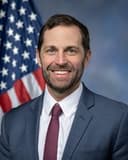
1 + 10
D· Colorado
YRS IN OFFICE
7
BILLS LED
35
COSPONSOR BREAKDOWNBIPARTISAN · 60%
DEM 7 REP 3 IND 0
ACTION TIMELINE
3 EVENTSDEC 3
Referred to the Subcommittee on Health.
NOV 12
Introduced in House
NOV 12
Referred to the Committee on Veterans' Affairs, and in addition to the Committee on Armed Services, for a period to be subsequently determined by the Speaker, in each case for consideration of such provisions as fall within the jurisdiction of the committee concerned.
BILL INFO
TypeHouse Bill
NumberHR 6024
Congress119th
StatusIn Committee
IntroducedNov 12, 2025
Last actionDec 3, 2025
READER REACTIONS
OVERALL SENTIMENT
No reactions yet. Be the first to weigh in.
Discussion
Loading comments...
IN COMMITTEE· 119TH CONGRESS · ARMED SERVICES COMMITTEE · INTRODUCED NOV 12, 2025
House BillHR 6024Armed Forces and National Security
BRAVE Act of 2025
This bill improves veteran mental health care by fixing staffing shortages, expanding community counseling centers, and tailoring suicide prevention efforts to better support women and veterans with physical disabilities.AI-written
INTRODUCED NOV 12, 2025· LAST ACTION DEC 3, 2025
PASSAGE CHANCES
—%
READING
18 min
COSPONSORS
10
COMPLEXITY
Moderate